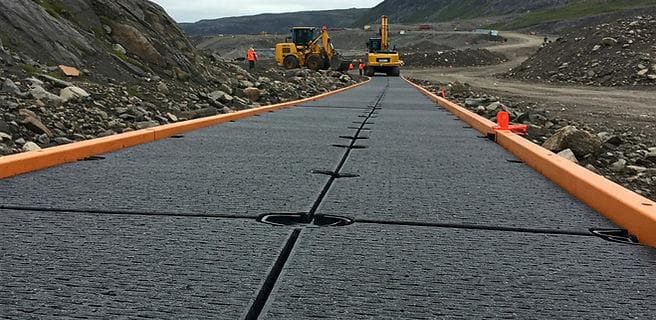
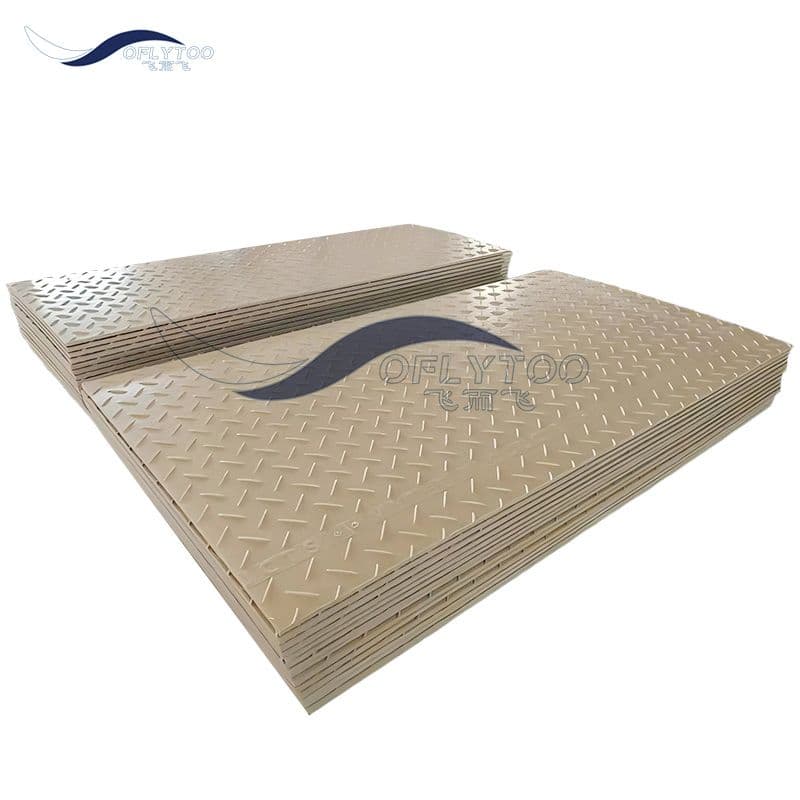
Energy infrastructure projects frequently require construction activities in remote locations where permanent roads do not exist. Wind farms, solar farms, oil fields, and utility installations often face challenges related to soft ground and difficult terrain.
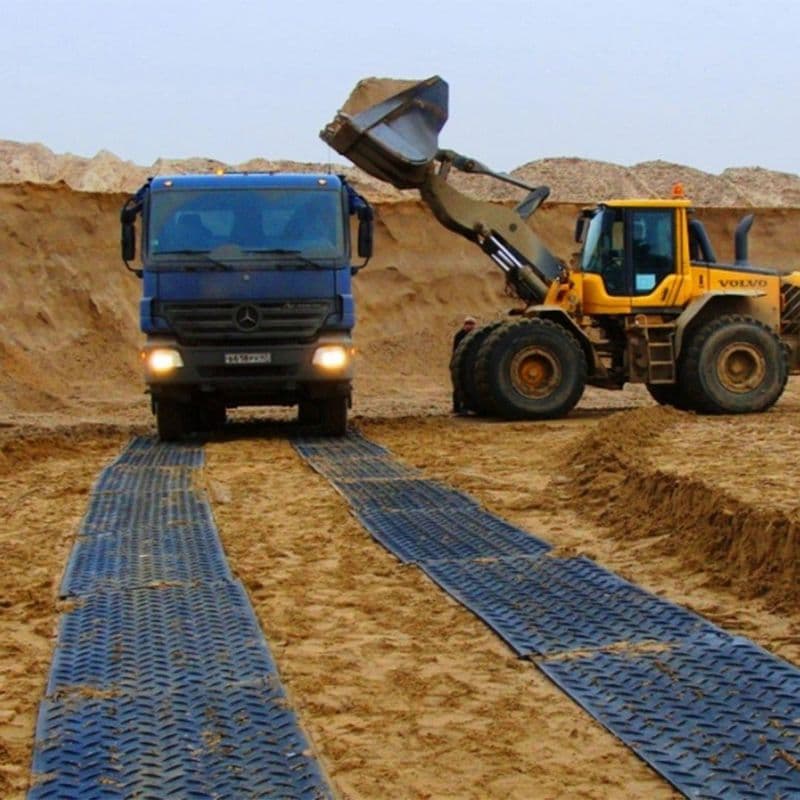
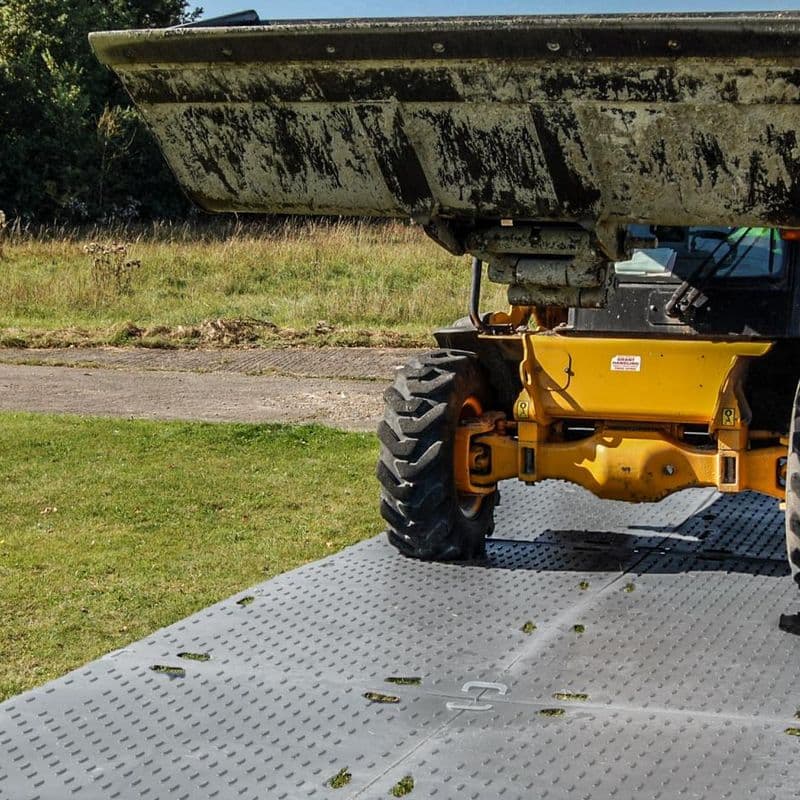
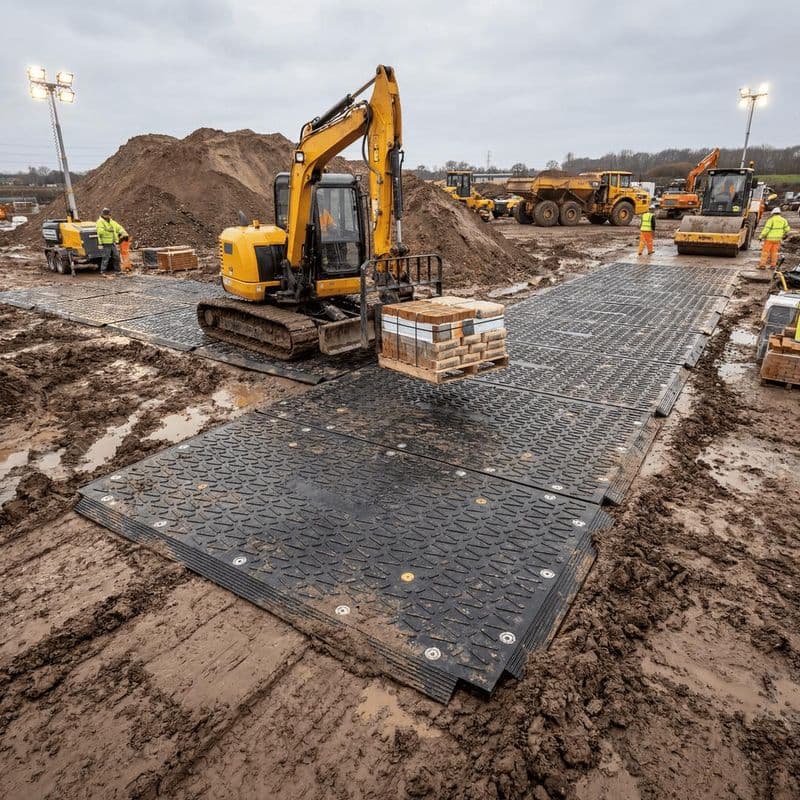
Temporary road mats help solve these challenges by creating stable access routes for construction equipment and transportation vehicles. By distributing weight across the ground surface, the mats reduce rutting and prevent vehicles from becoming stuck.
In wind energy projects, temporary road mats are commonly used to support crane operations and transport oversized components. Utility contractors also rely on ground mats when accessing pipeline routes, transmission line installations, and maintenance areas.
The ability to install and remove mats quickly makes them ideal for temporary projects. Once work is completed, the mats can be removed with minimal environmental impact.
UHMWPE ground mats are particularly popular in energy projects due to their combination of strength, durability, and portability. Their resistance to moisture and weather exposure allows them to perform reliably under varying conditions.
As energy infrastructure continues to expand globally, temporary road mats provide a practical and sustainable access solution for contractors and project developers.