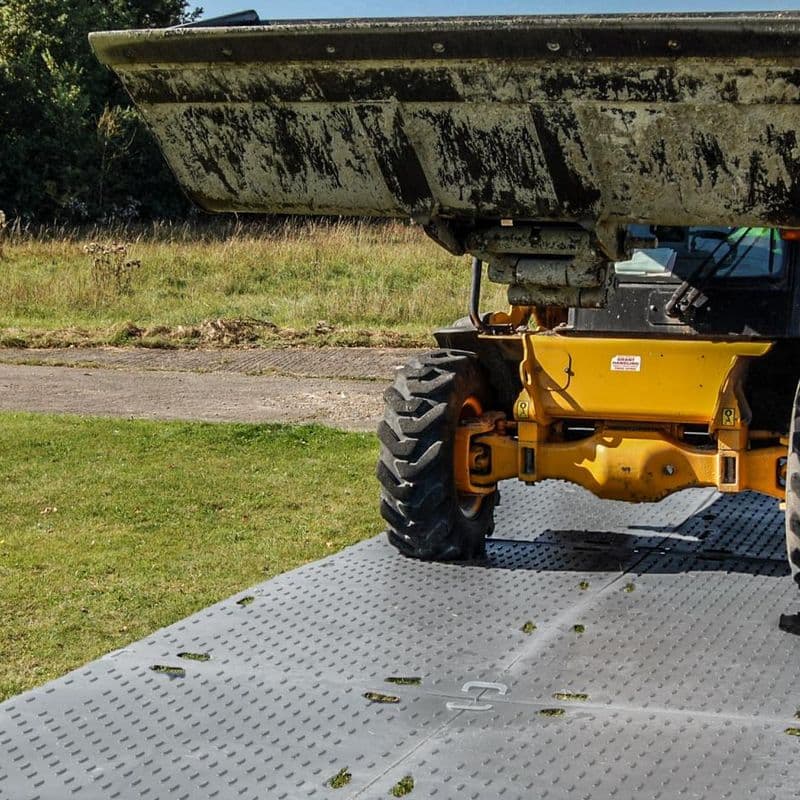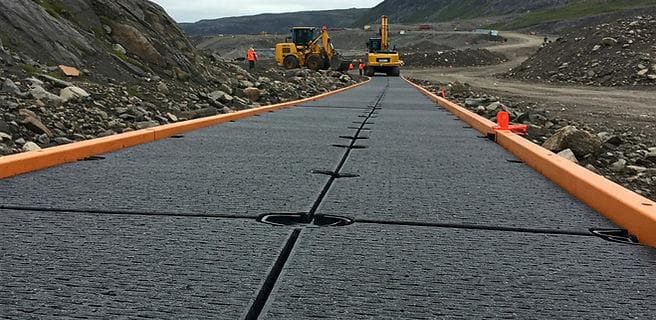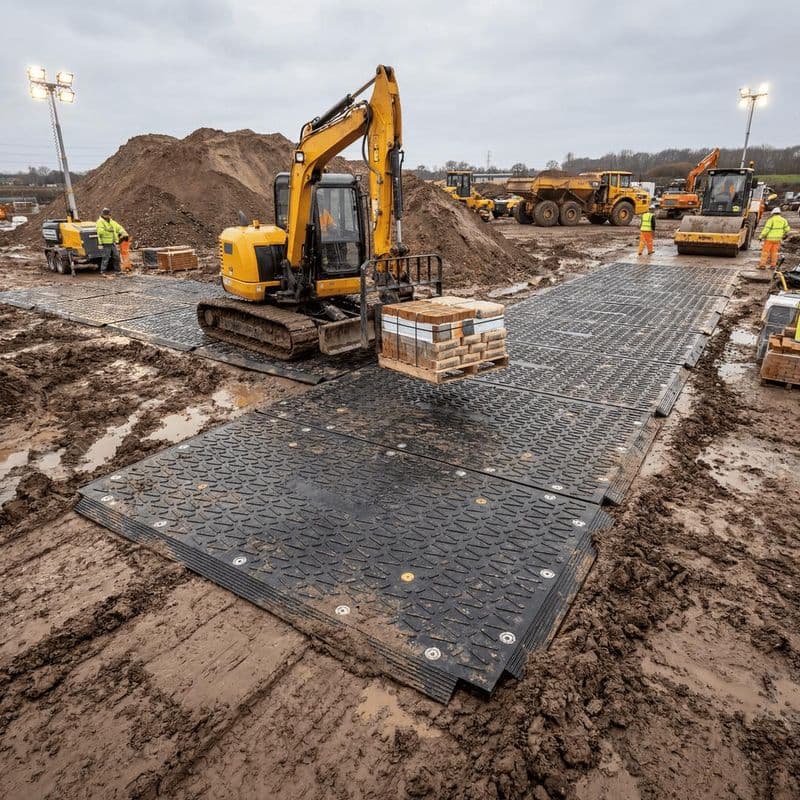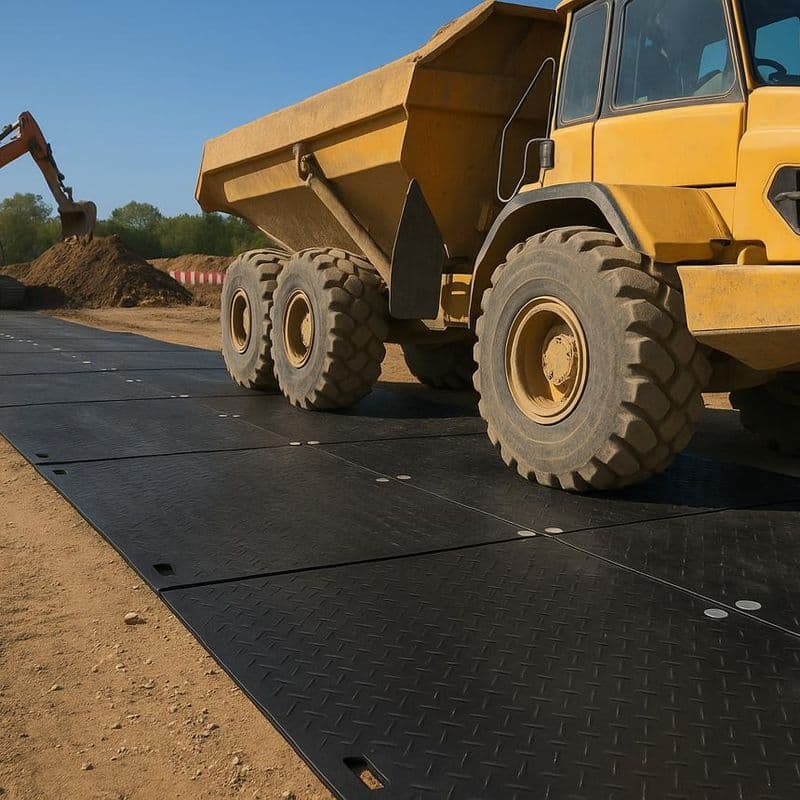
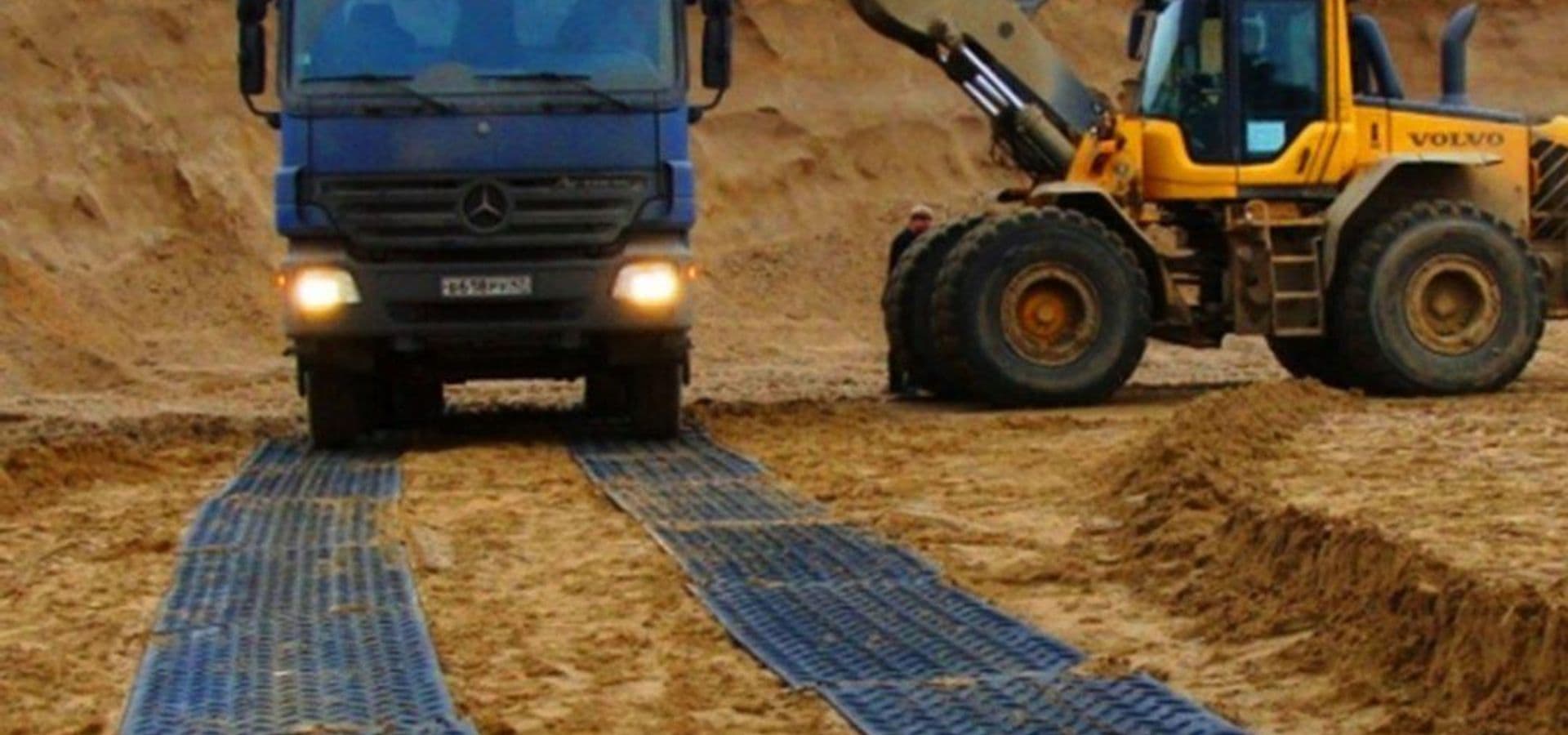
Heavy duty ground mats are an essential component for industrial projects requiring stable and durable ground support. They are extensively used in construction, oil and gas, and utility projects to protect sensitive ground surfaces and ensure safe equipment operation. Selecting the right ground mat is crucial to maintaining efficiency and safety while minimizing environmental impact.
### Material Types and Applications
The most common materials used for heavy duty ground mats are high-density polyethylene (HDPE), composite blends, and rubber. HDPE mats are lightweight, corrosion-resistant, and suitable for most standard applications. Composite mats, on the other hand, offer enhanced durability and load-bearing capacity, making them ideal for heavy machinery and extreme environments. Rubber mats, while heavier, provide excellent traction and shock absorption, often preferred in operations requiring noise reduction.
### Factors to Consider
1. **Load Capacity**: Evaluate the maximum weight the mat needs to support. This includes not only the equipment but also dynamic forces such as movement and vibration. 2. **Environmental Conditions**: Consider temperature ranges, potential exposure to chemicals, and the type of ground surface the mats will be placed on. 3. **Ease of Installation**: Some mats are designed for quick deployment and interlocking systems, reducing setup time and labor costs. 4. **Reusability and Lifespan**: High-quality mats can be reused across multiple projects, offering long-term cost savings. 5. **Environmental Impact**: Assess whether the mats are made from recyclable materials or are designed to minimize ecological disruption.
### Balancing Costs and Benefits
While high-performance mats may have a higher upfront cost, their durability and reusability often make them a more economical choice over time. Investing in quality ground mats can also reduce the risk of accidents and damage to equipment, further justifying the initial expense.
### Recommendations for Procurement Teams
When sourcing ground mats, work closely with suppliers to verify technical specifications and request samples for testing if possible. Opt for vendors with proven experience in serving industrial projects and consider their ability to provide after-sales support and maintenance guidance.
By carefully evaluating these factors, procurement teams can make informed decisions that align with both operational and budgetary goals.