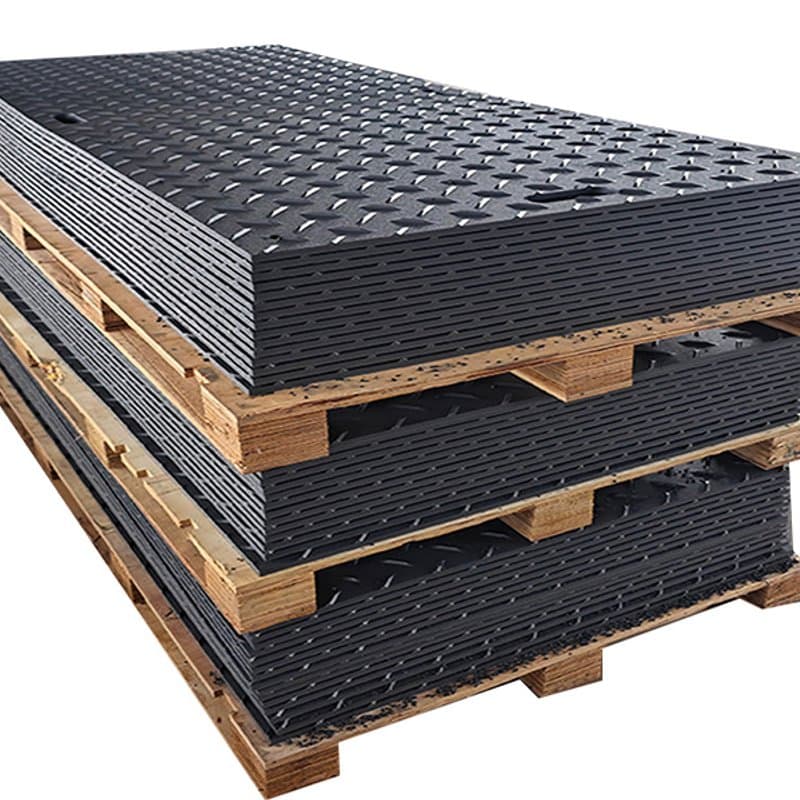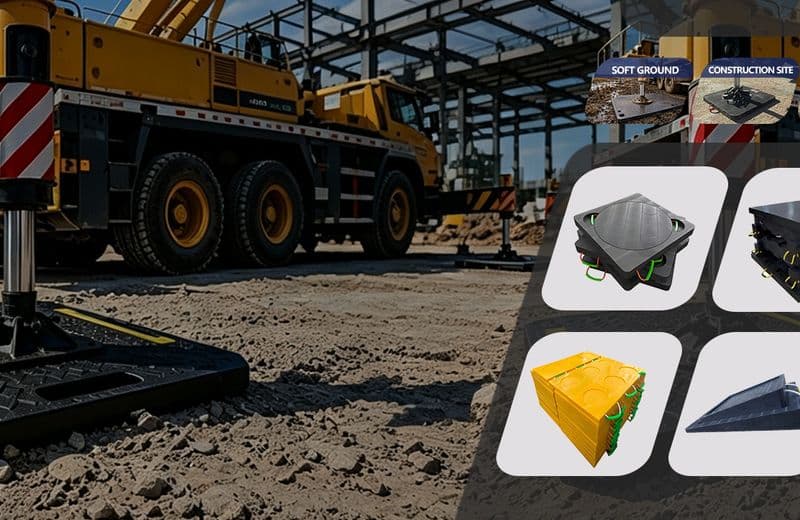
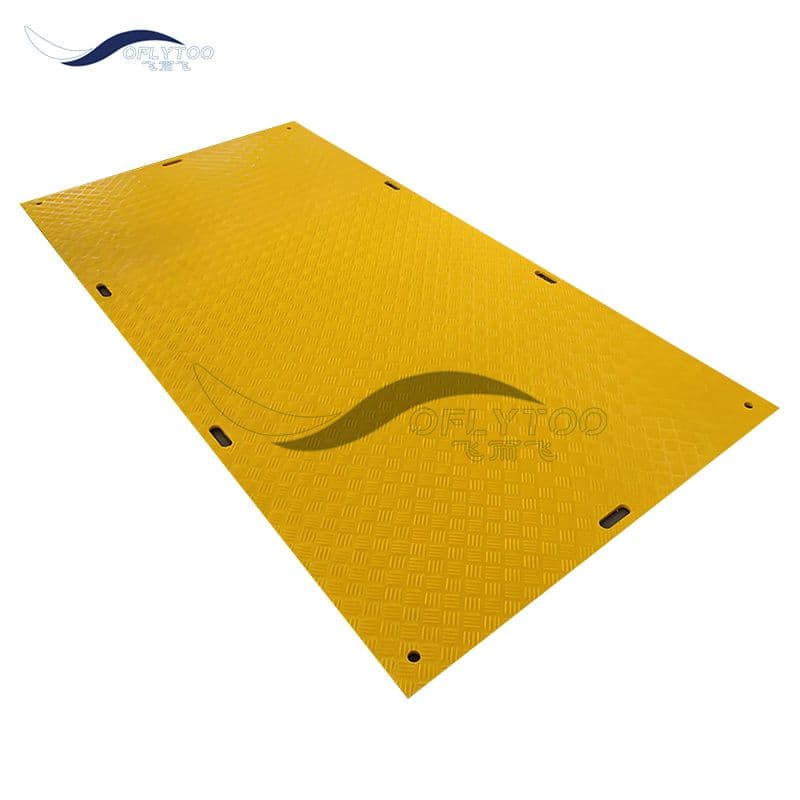
Construction projects often take place on uneven, muddy, or unstable terrain where heavy equipment must operate safely and efficiently. Ground mats have become an important solution for contractors looking to improve site accessibility while protecting the ground surface.
Ground mats are designed to distribute the weight of heavy machinery across a larger area, reducing ground pressure and preventing equipment from sinking into soft soil. This is particularly important during rainy seasons or in locations where natural ground conditions are weak.
Temporary access roads built with ground mats enable excavators, cranes, dump trucks, and other equipment to move safely throughout the job site. Improved mobility helps reduce delays, increase productivity, and support project schedules.
In addition to providing access, ground mats help protect grass, soil, and sensitive surfaces from damage. This is especially valuable for projects located in urban environments, public spaces, and environmentally sensitive areas.
Modern ground mats are commonly manufactured from UHMWPE or HDPE materials. These materials offer excellent durability, weather resistance, and long service life. Unlike traditional timber mats, plastic ground mats are lightweight, easy to transport, and require minimal maintenance.
As construction companies continue to focus on safety, efficiency, and environmental protection, ground mats remain a practical solution for temporary road access and ground stabilization.