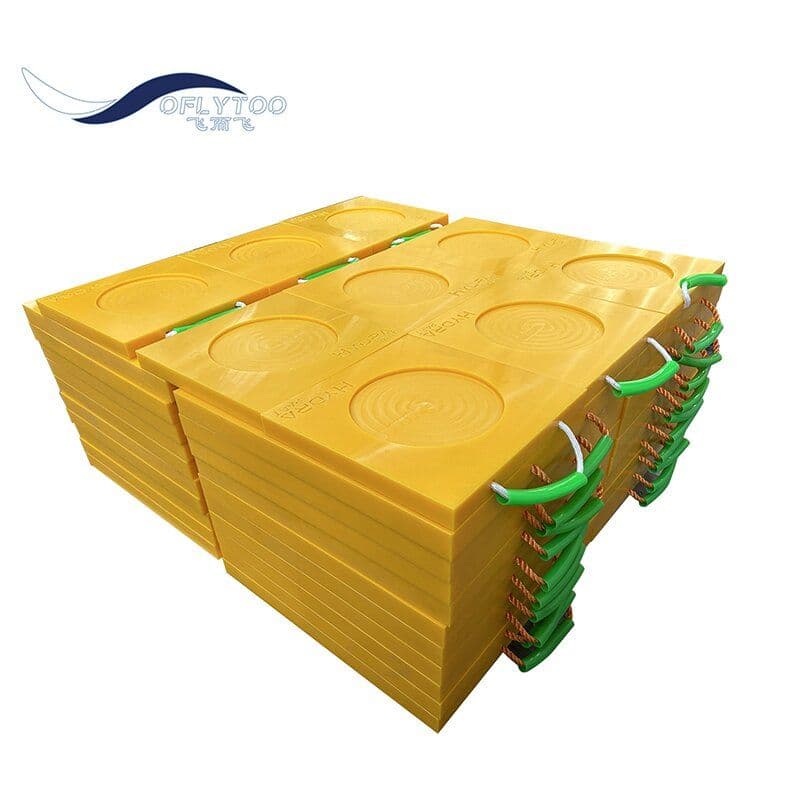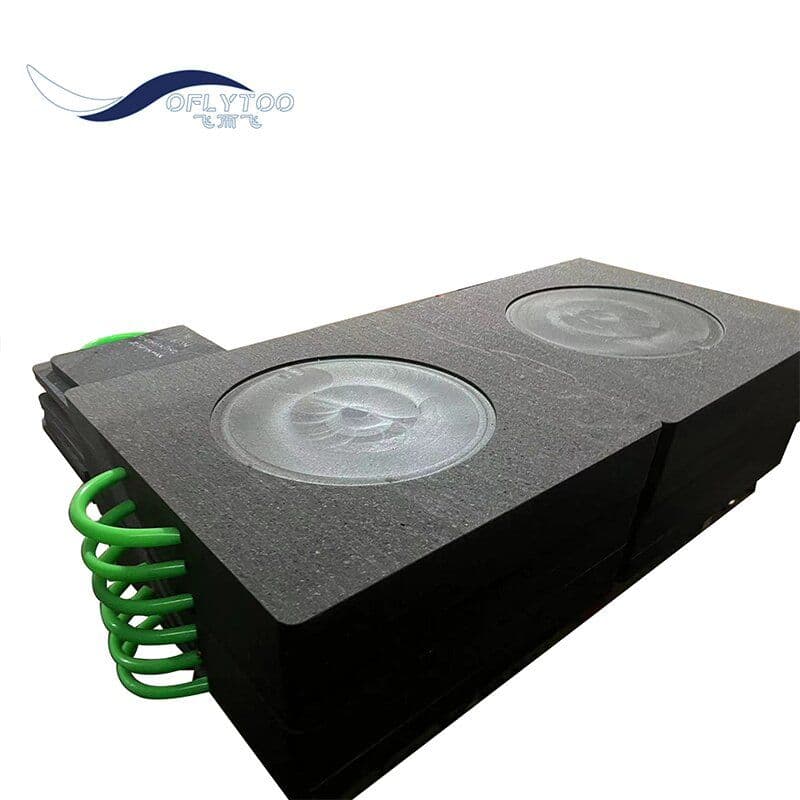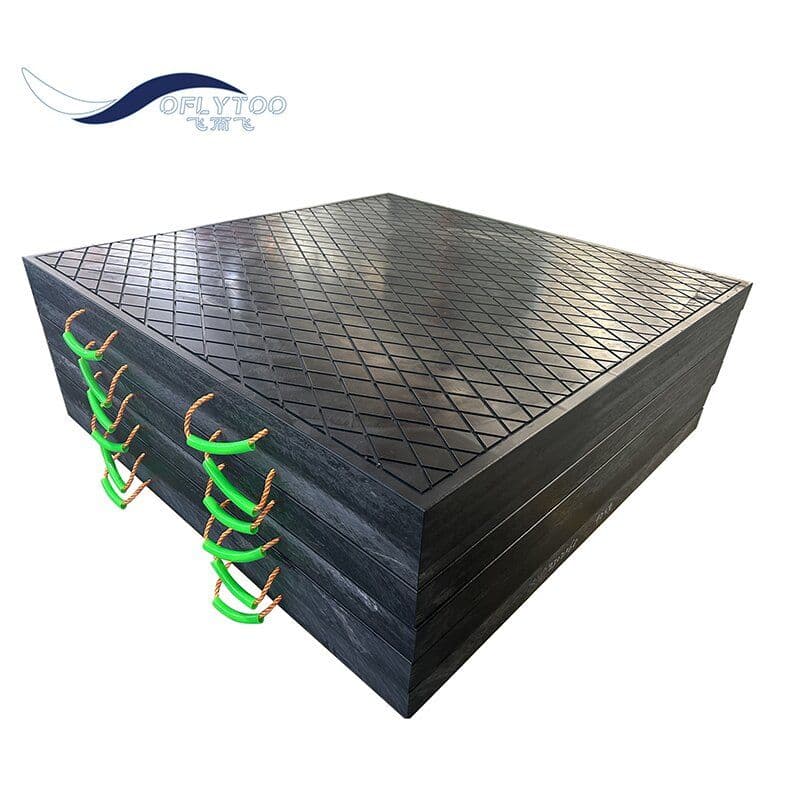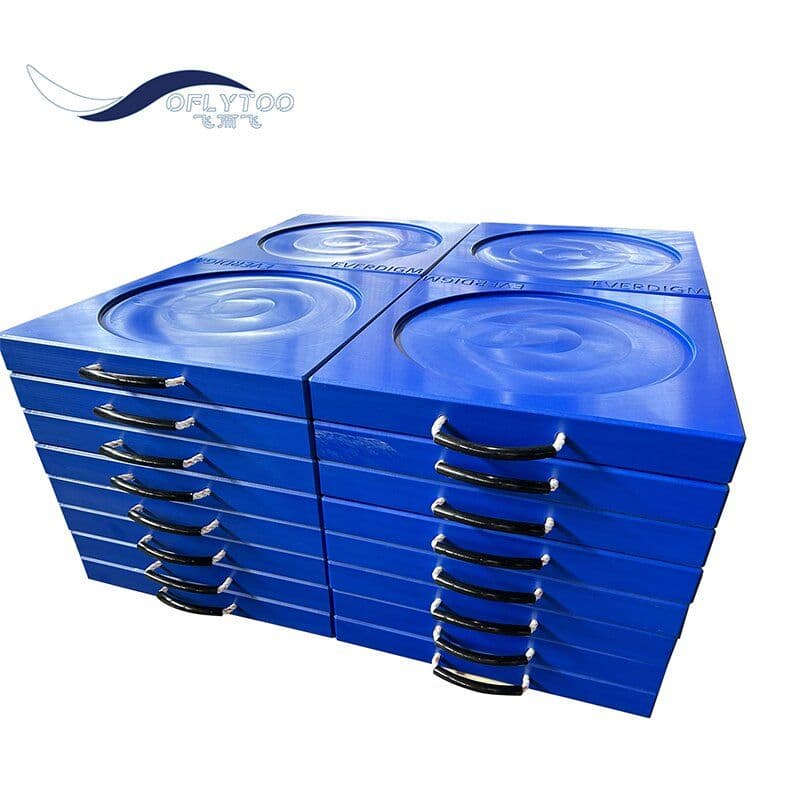
A crane outrigger pad size guide should help a lift supervisor move from equipment name to deployable pad dimensions. The useful output is not a decorative chart. It is a repeatable method: reaction force in, allowable ground pressure assumed, required bearing area out.
Start by separating three variables that buyers often mix together: footplate size, pad dimensions, and effective bearing area. The footplate is the contact point from the crane. The pad must be large enough to spread that load without exceeding the ground limit you are willing to assume on site. Thickness then governs how uniformly that load is distributed and how the pad behaves under local bending.
In practice, many teams keep a tiered kit: smaller pads for firm compacted surfaces, larger pads for fill and wet zones, and a clearly marked backup size for unexpected soft spots discovered during setup. Color coding or etched size labels reduce selection errors during night work or subcontractor handoffs.
Common mistakes include copying a pad size from a previous job without checking boom configuration, using steel plate with poor edge condition that damages surfacing, and under-sizing only one outrigger because the setup area looks "good enough." Another frequent issue is ignoring ground change after rain. A size that worked on Monday may be under conservative on Thursday.
When requesting a supplier quote, provide maximum reaction, target pad shape, preferred material, expected quantity per crane, and whether the pads must be container-packed for export. That level of detail produces better recommendations than asking for "pads for a 55-ton crane" alone.