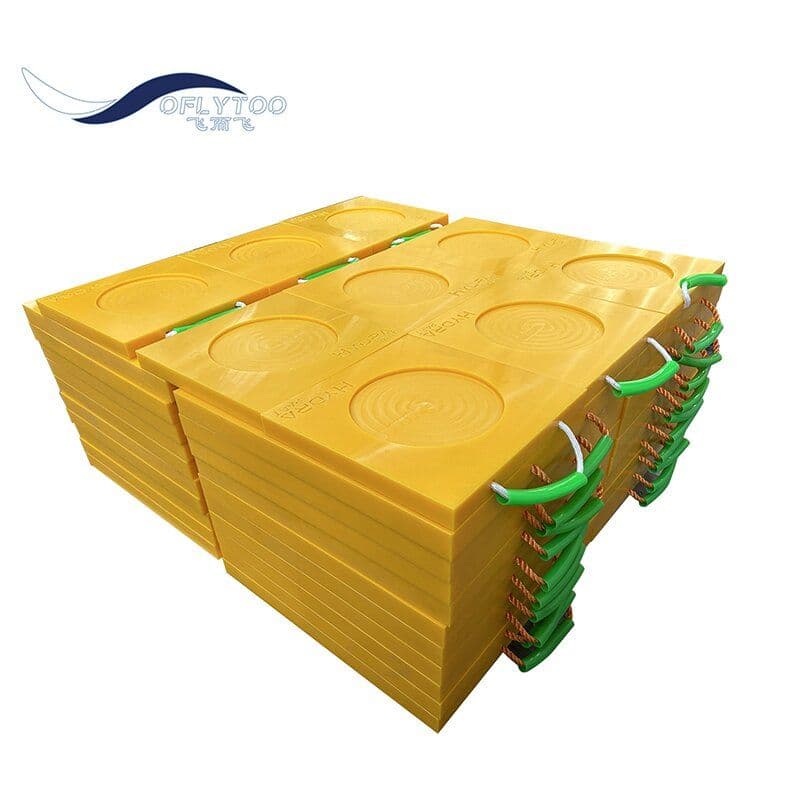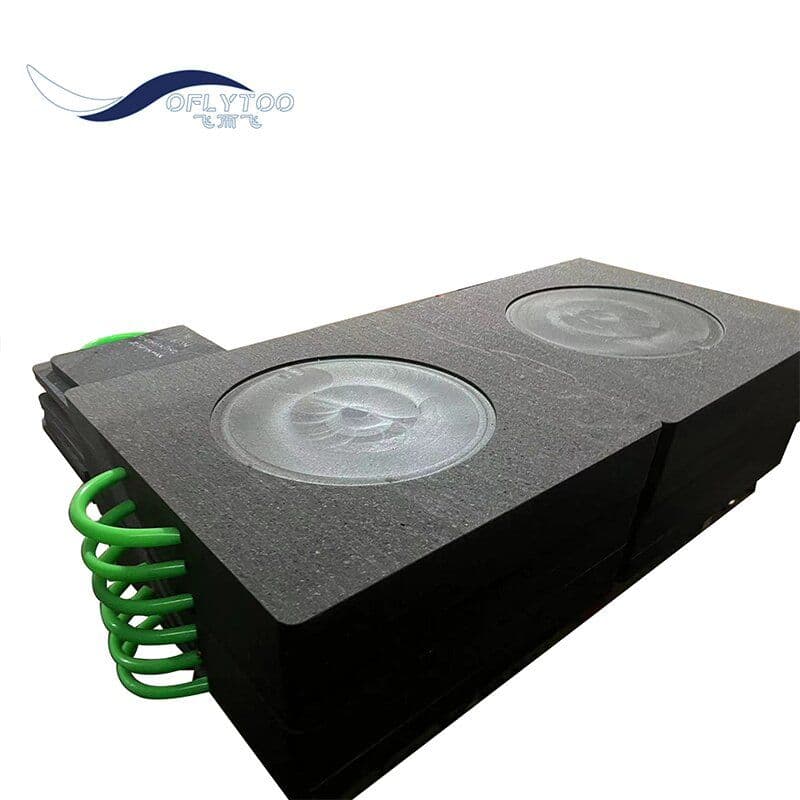
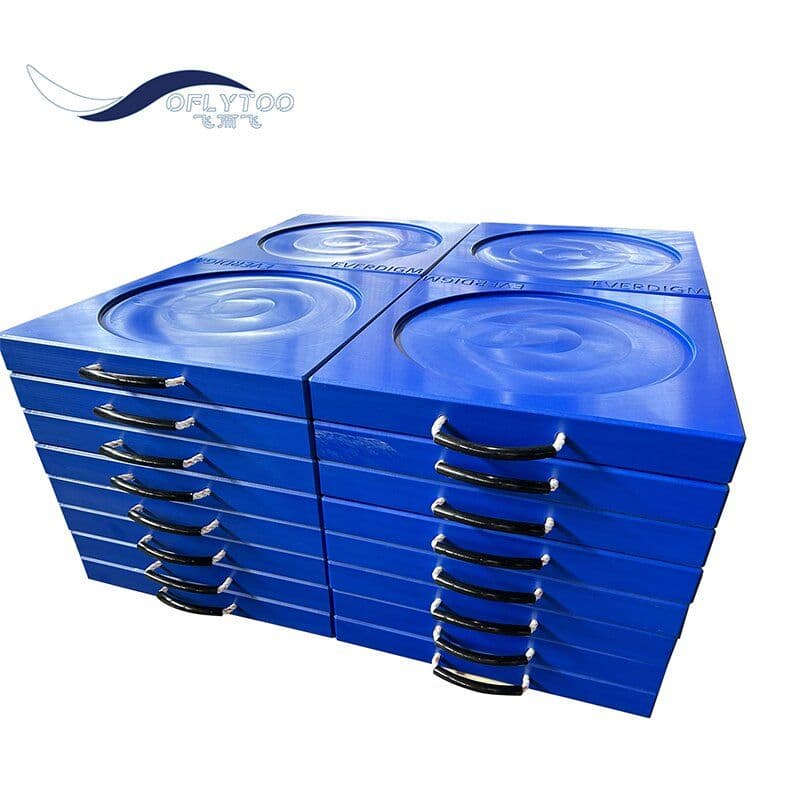
First of all, UHMWPE pads are far lighter than steel plates of the same specification. Workers can easily carry and deploy them alone, greatly cutting labor costs during frequent site transfers for bucket trucks, mobile cranes and rescue vehicles. Steel pads bring heavy transport burdens and consume more fuel for logistics.
Secondly, plastic pads are fully corrosion-proof. Steel plates easily rust when exposed to rain, mud and chemical sewage. Rust reduces load capacity and shortens service life, while virgin UHMWPE absorbs zero water, resisting rot and oxidation for years of outdoor use.
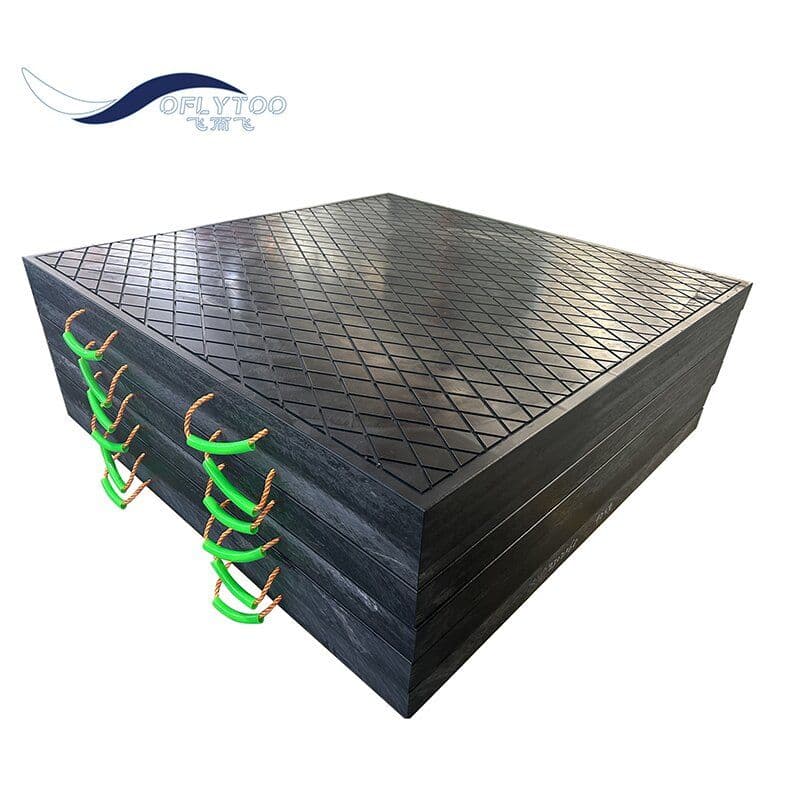
Besides, UHMWPE features outstanding shock absorption and anti-slip performance. Rigid metal slips easily on wet concrete and lawns, bringing tipping hazards. Textured plastic pads boost friction to lock outriggers firmly, and buffer heavy pressure to protect both machinery and ground surfaces.
Moreover, plastic outrigger pads have excellent insulation properties. They are indispensable for power maintenance bucket trucks, avoiding electric leakage risks that metal pads cannot solve.
From the long-term cost perspective, plastic pads require no anti-rust painting or regular maintenance. Although the upfront cost is close, their longer service cycle and zero upkeep help construction enterprises save plenty of recurring expenses.
Custom sizes, interlocking structures and anti-slip textures are also available for plastic pads, which can be tailored to all types of engineering vehicles. For these reasons, more overseas buyers choose UHMWPE outrigger pads to replace outdated metal alternatives.