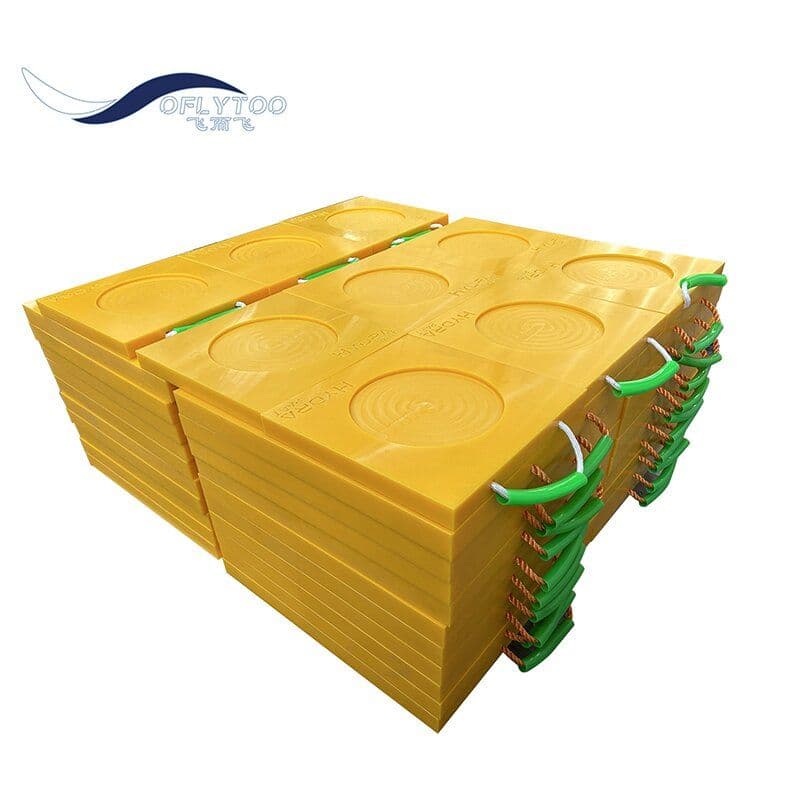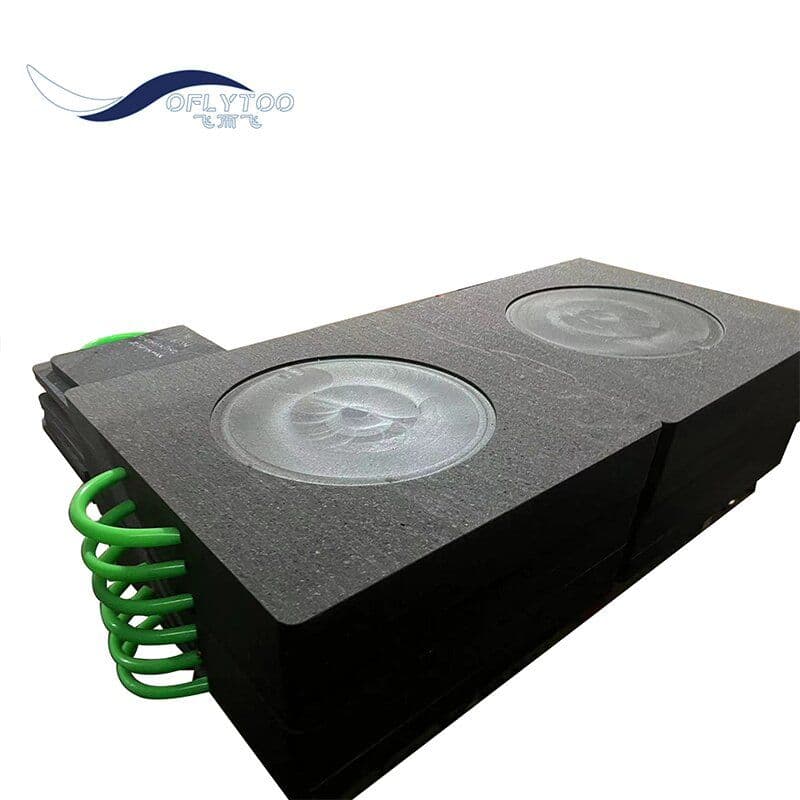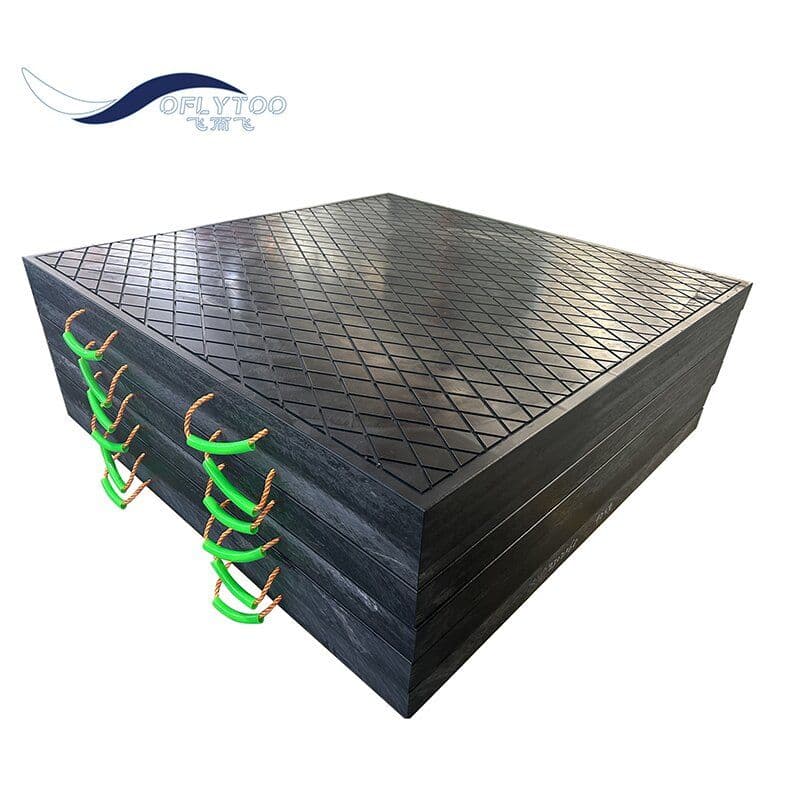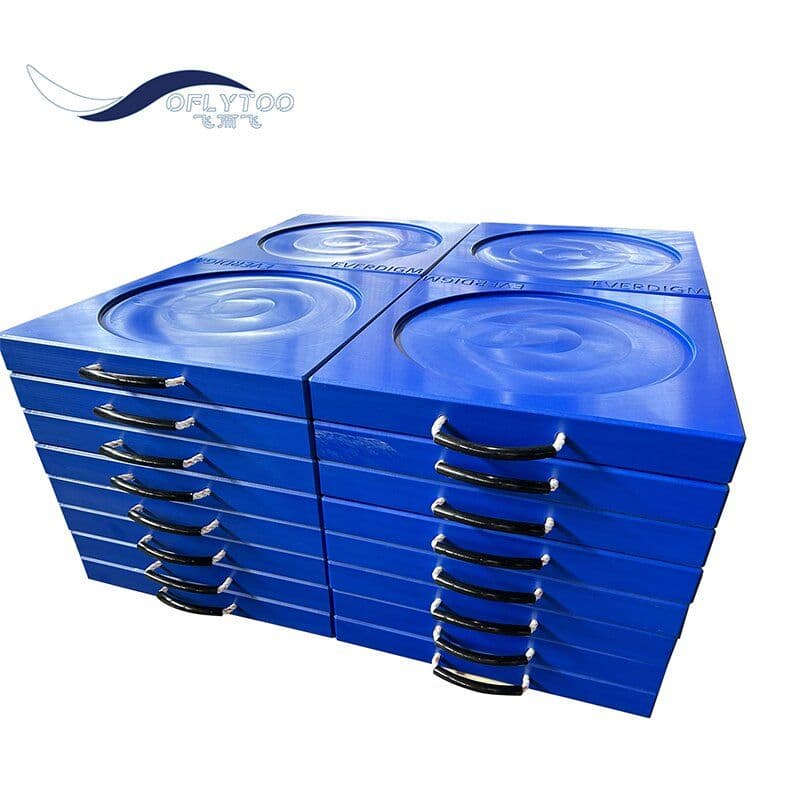
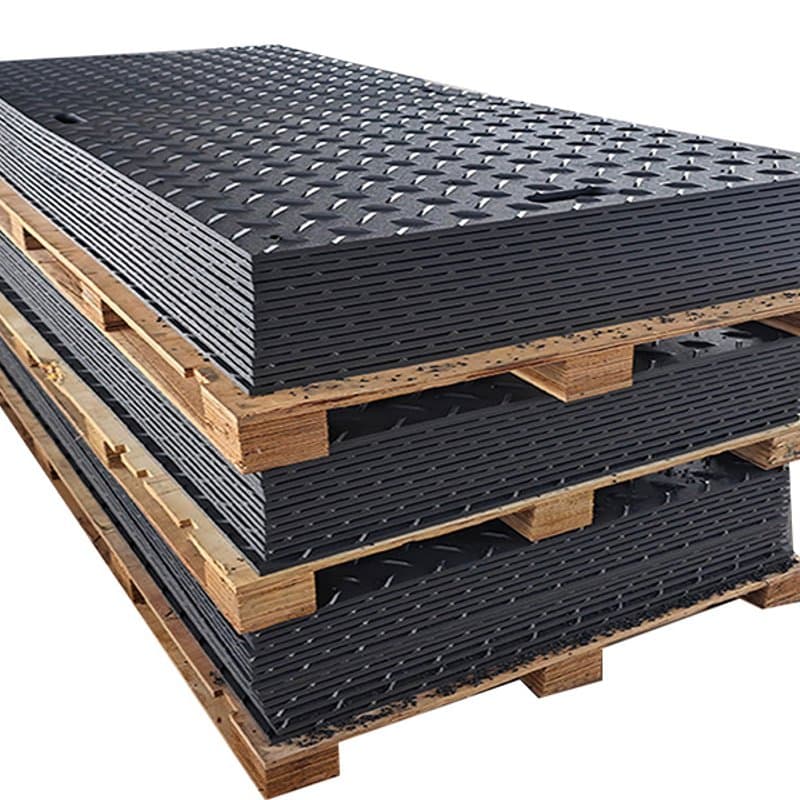
Ground protection mats are engineered access panels used to spread equipment load, protect turf, and stabilize temporary routes on construction, utility, and event sites. Unlike a simple plywood workaround, they are designed for repeated deployment, defined load performance, and faster field handling.
Buyers usually arrive with one of three intents: protect grass or finished paving, create a stable path for wheeled or tracked equipment, or reinforce a weak section before heavier temporary road mats are installed. The mat family is broad, but the decision logic is consistent: start with load, then ground condition, then redeployment frequency.
For light-to-medium equipment such as lifts, forklifts, and compact tracked machines, ground protection mats are often deployed at entry points, around staging areas, and across short crossing zones. When traffic becomes continuous and heavier, projects may shift the main lane to temporary road mats while keeping ground protection mats at turning nodes and sensitive surface areas.
Material choice matters. HDPE formats can offer strong stiffness at lower cost for defined structural applications. UHMWPE formats are often preferred where abrasion, impact, and repeated reuse are central. The right answer is rarely "always UHMWPE" or "always HDPE"; it is which performance target dominates on that route section.
Export buyers should confirm more than dimensions. Packing method, container loading, labeling, lead time, and batch consistency all affect whether a mat program works in the field on week six as well as week one. A category page can show product formats, but a guide article should help a sourcing manager explain why a route needs protection in the first place.
If your project is still at the comparison stage, review mat size, connection method, and whether the route is localized access or a true roadway system. That distinction alone will narrow the product family quickly and improve quote quality from the supplier.