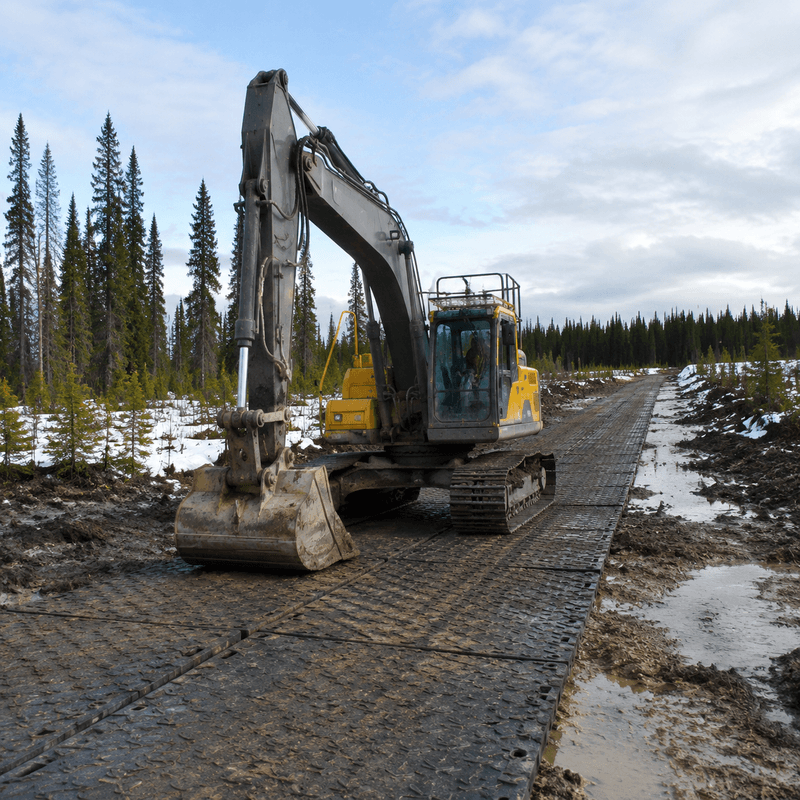
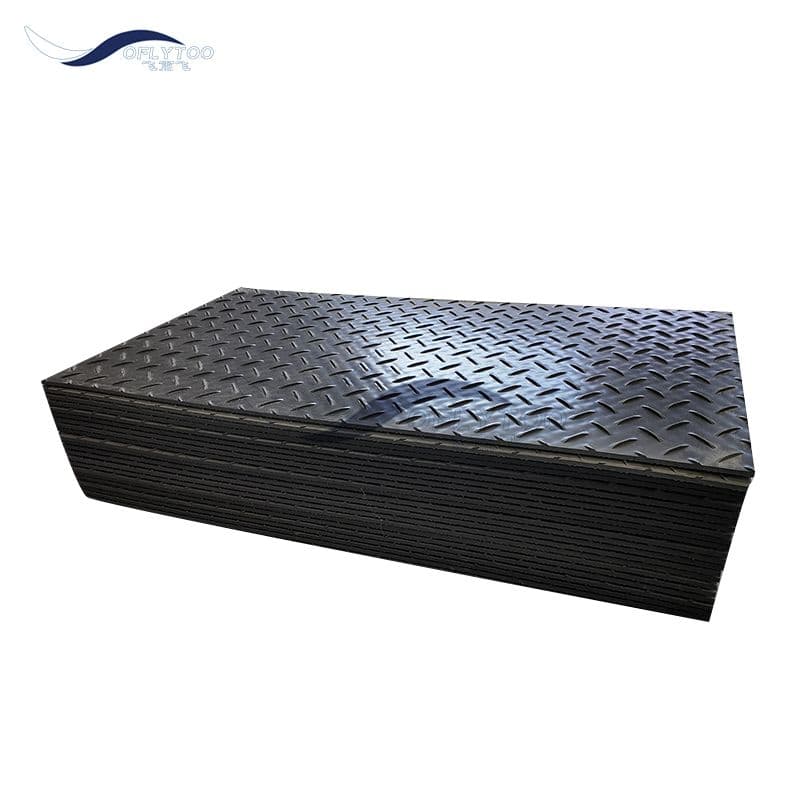
Portable ground mats are increasingly becoming a cornerstone in construction projects, especially in areas where soft or uneven terrain poses logistical challenges. These mats are designed to provide a stable and durable surface, ensuring the safety and efficiency of operations without compromising the natural environment.
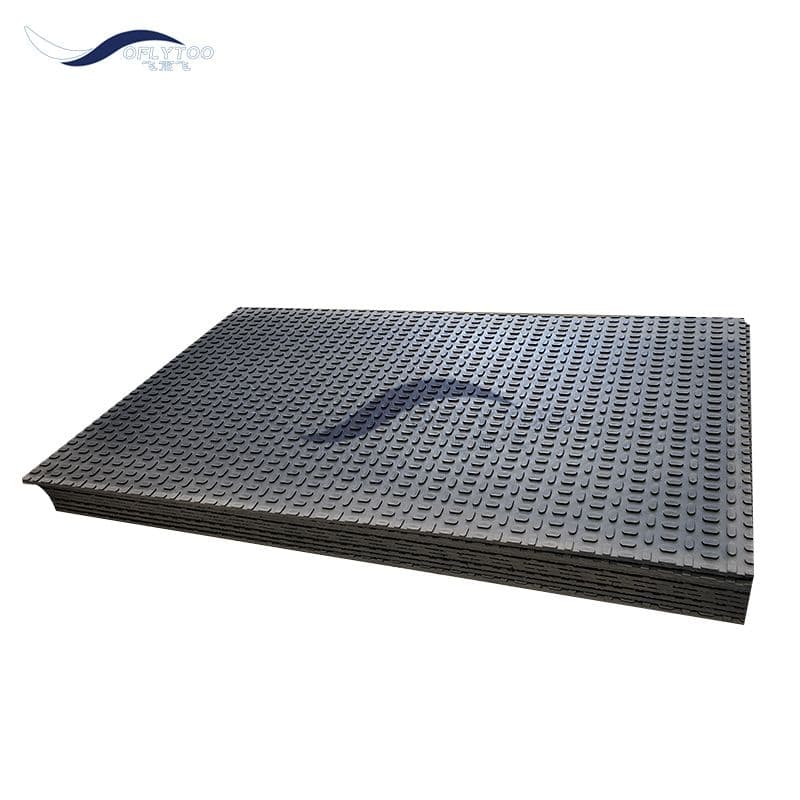
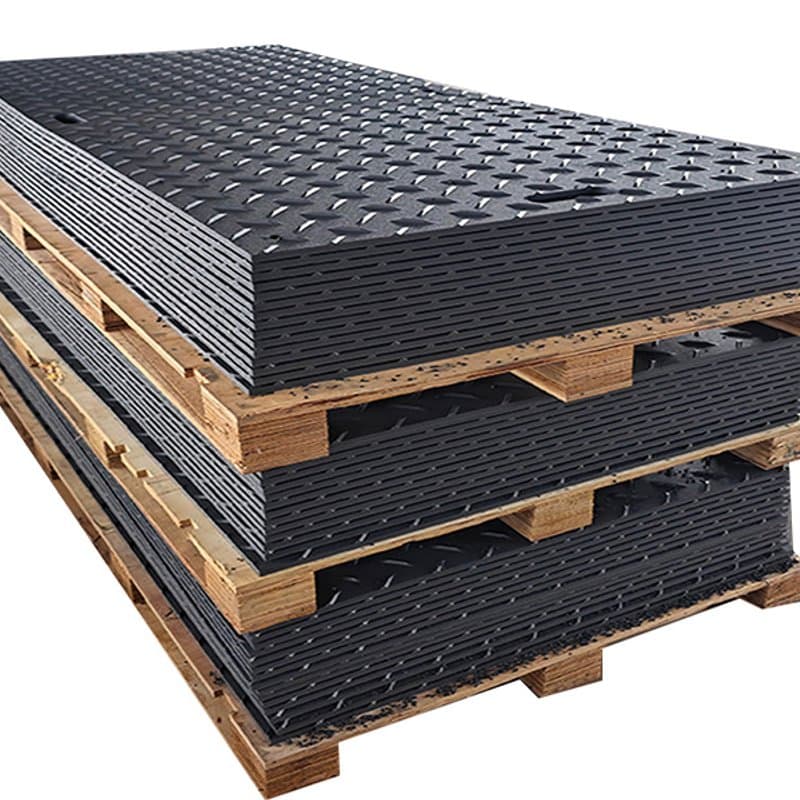
Manufactured using high-density polyethylene (HDPE) or other advanced materials, portable ground mats can withstand heavy loads, making them suitable for heavy machinery and equipment. Their interlocking design allows for quick installation, reducing downtime and labor costs.
One of the key advantages of using these mats is their ability to minimize environmental disruption. By distributing weight evenly, they prevent soil compaction and damage to vegetation, which is crucial for projects in ecologically sensitive areas. Additionally, their reusability aligns with sustainable practices, offering long-term cost savings and reduced waste.
Applications for portable ground mats extend beyond construction; they are also valuable in industries such as oil and gas, utilities, and outdoor events. Their versatility and reliability make them an essential resource for temporary roadways, equipment staging areas, and pedestrian walkways.
As construction demands evolve, portable ground mats stand out as a practical solution to address terrain-related challenges, ensuring projects are completed efficiently and responsibly.