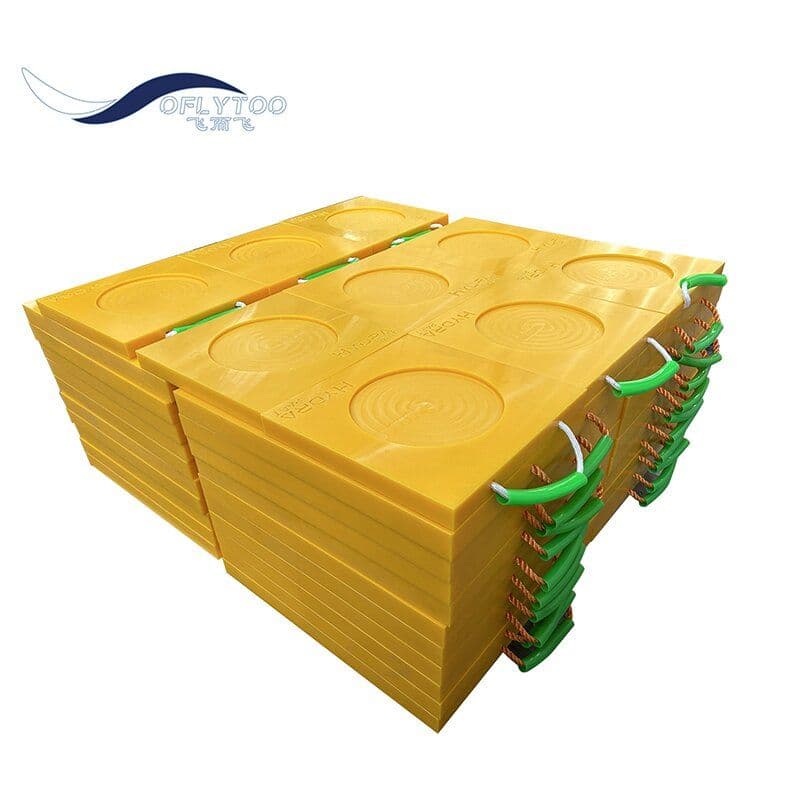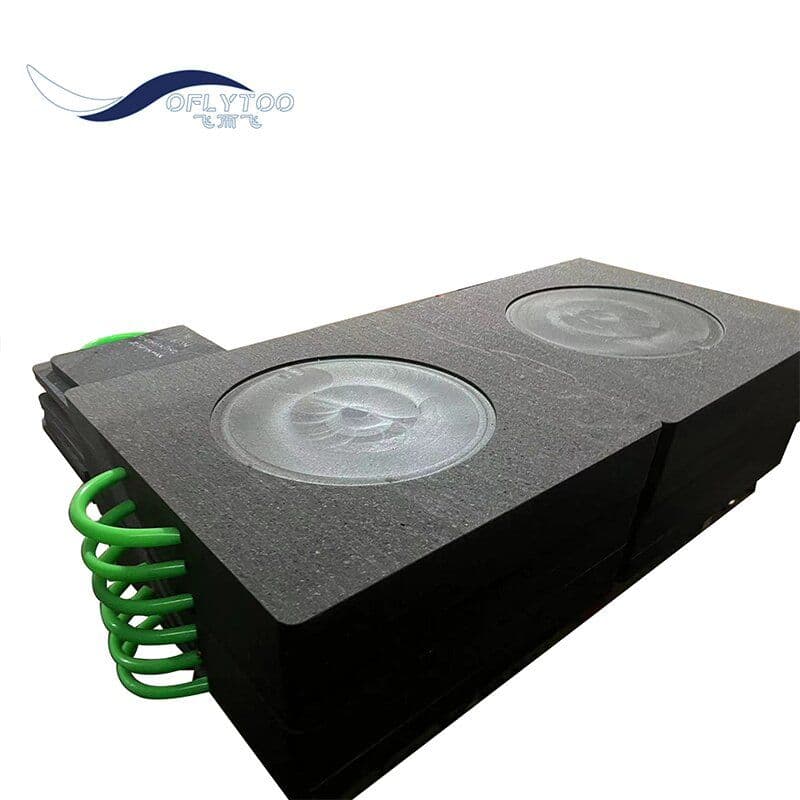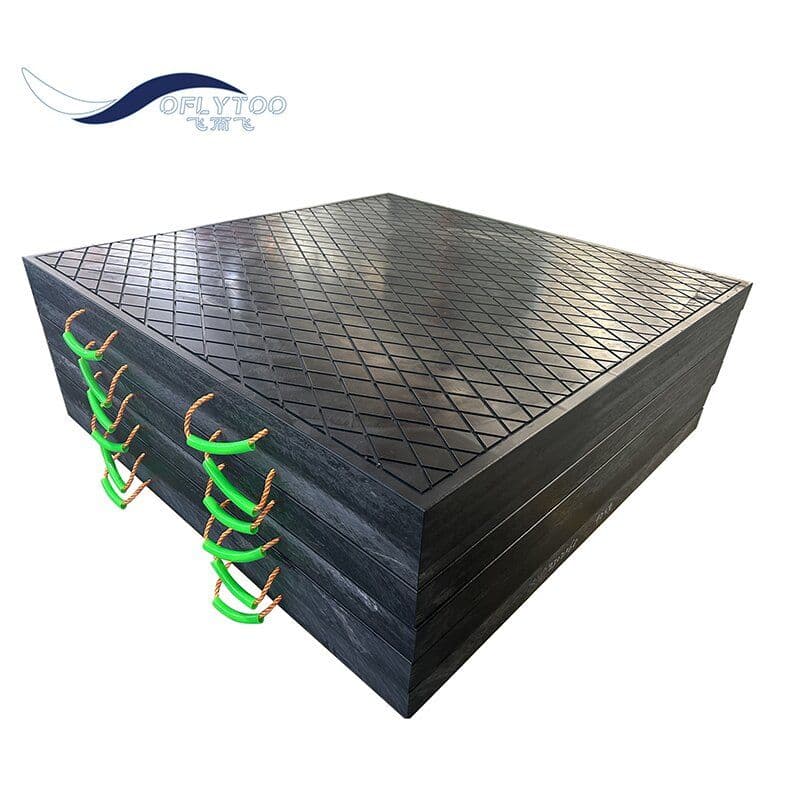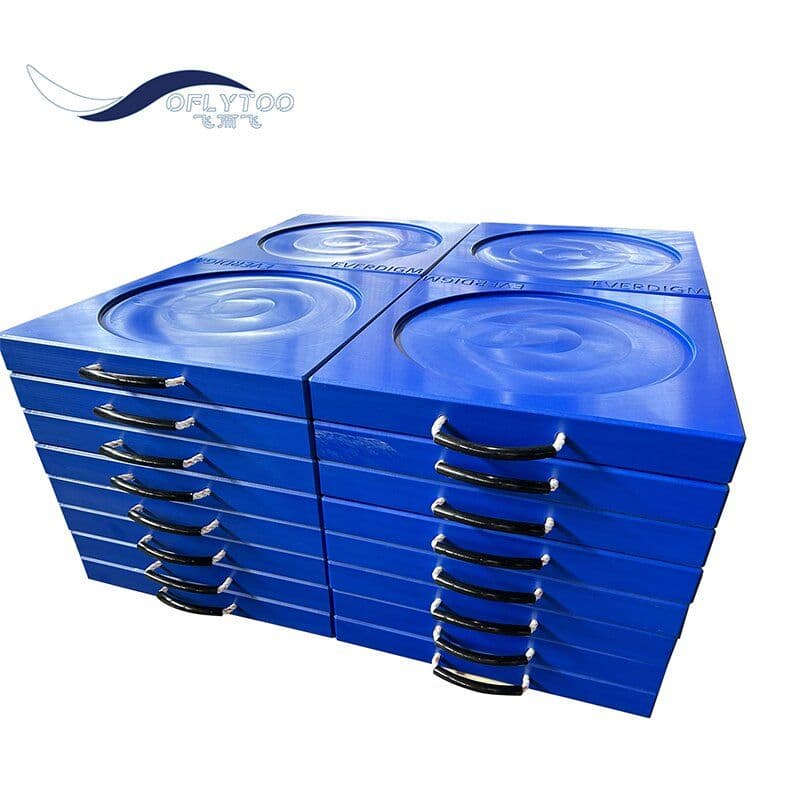
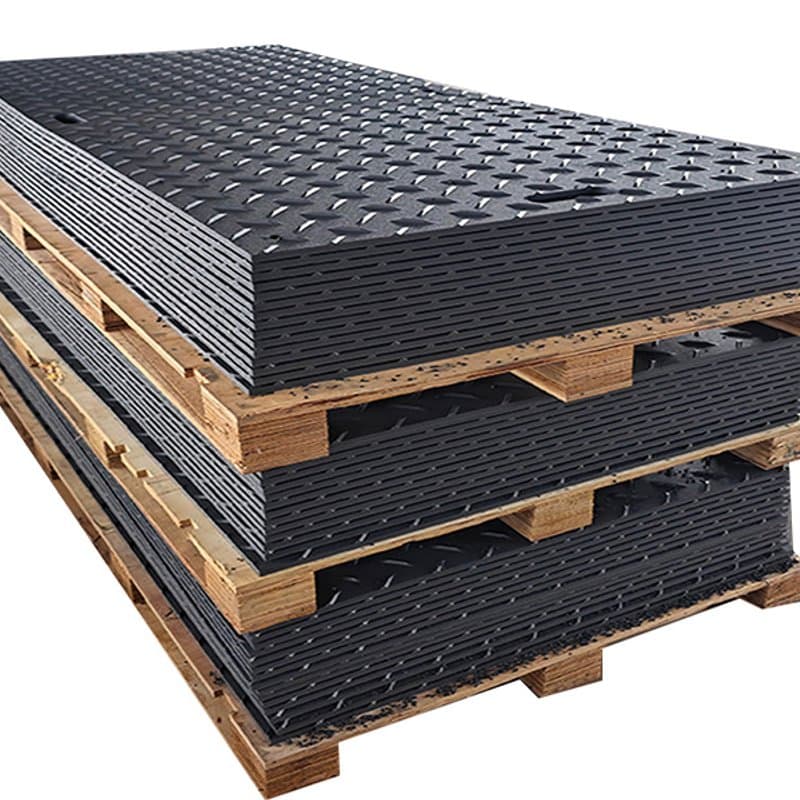
HDPE and UHMWPE outrigger pads are both engineered plastics, but they solve slightly different field problems. The comparison is useful only when buyers define load level, ground risk, reuse frequency, and acceptable lifecycle cost.
UHMWPE is often selected for crane pads that move often, hit rough surfaces, and must keep performing after many deployment cycles. Its abrasion resistance and impact toughness are the main reasons teams accept a higher unit price. If a pad kit lives on a truck and sees multiple lifts per week, UHMWPE frequently wins on total life cost.
HDPE can be the better commercial choice when the setup is more predictable, structural stiffness is the primary requirement, and the pad program is cost-sensitive. It is not "less professional" by default. It is simply optimized for a different balance of price and performance. Some projects even use mixed kits: HDPE for firm-base routine lifts and UHMWPE for wet or weak-ground standby sizes.
Do not choose purely by weight or color. Ask for material grade, thickness strategy, expected bearing area, and whether the manufacturer can keep the same grade consistent across repeat orders. For OEM or distributor programs, batch consistency matters because your field team learns pad behavior over time.
If you are comparing quotes, require the same thickness logic and the same assumed reaction class. A cheaper HDPE quote and a premium UHMWPE quote may be answering different performance briefs. Material comparison only works when the application brief is stable.