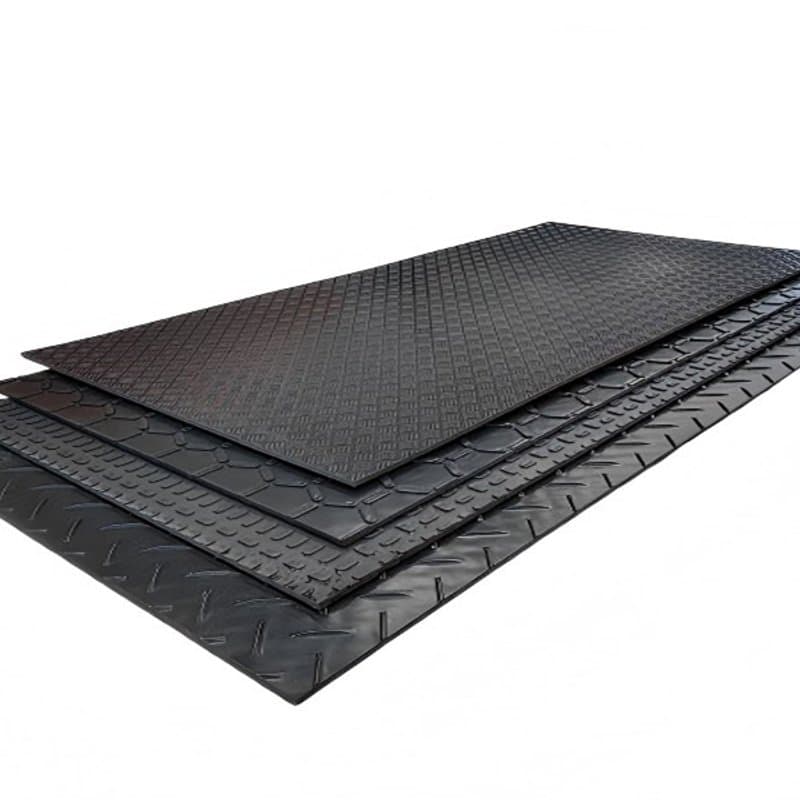
Plywood is still common on construction sites because it is familiar, fast to source, and acceptable for short, low-risk crossings. Ground protection mats exist because plywood becomes expensive when a project needs predictable load performance, weather resistance, and repeated redeployment.
Plywood weaknesses show up quickly in the field. Moisture softens layers, edges splinter, fasteners create trip points, and load performance is inconsistent once panels delaminate. For a one-day cable pull across grass, plywood may be enough. For a four-week equipment route with rain exposure and daily traffic, replacement labor often erases the initial material savings.
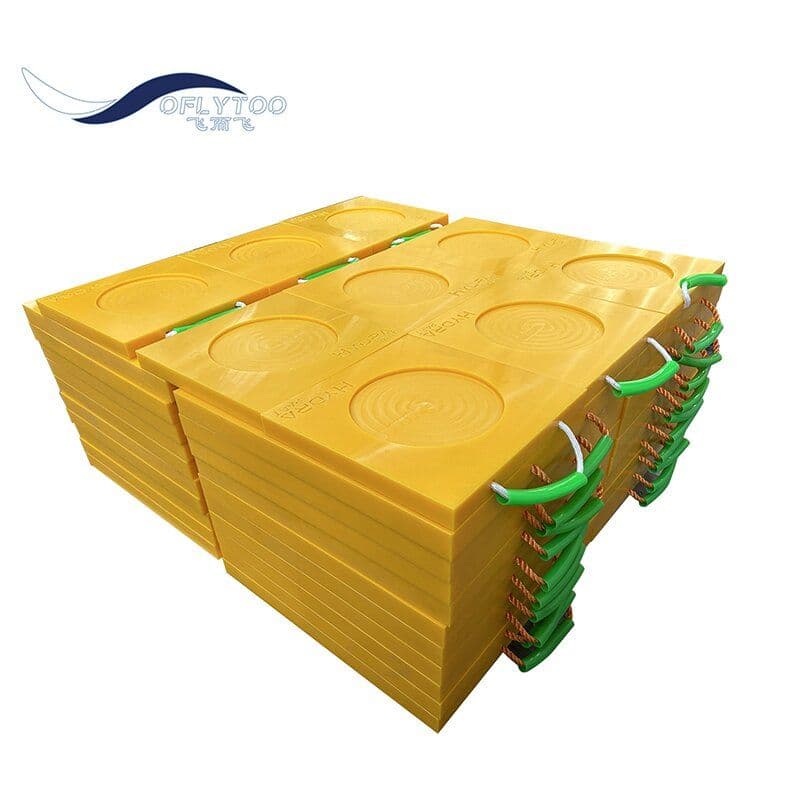
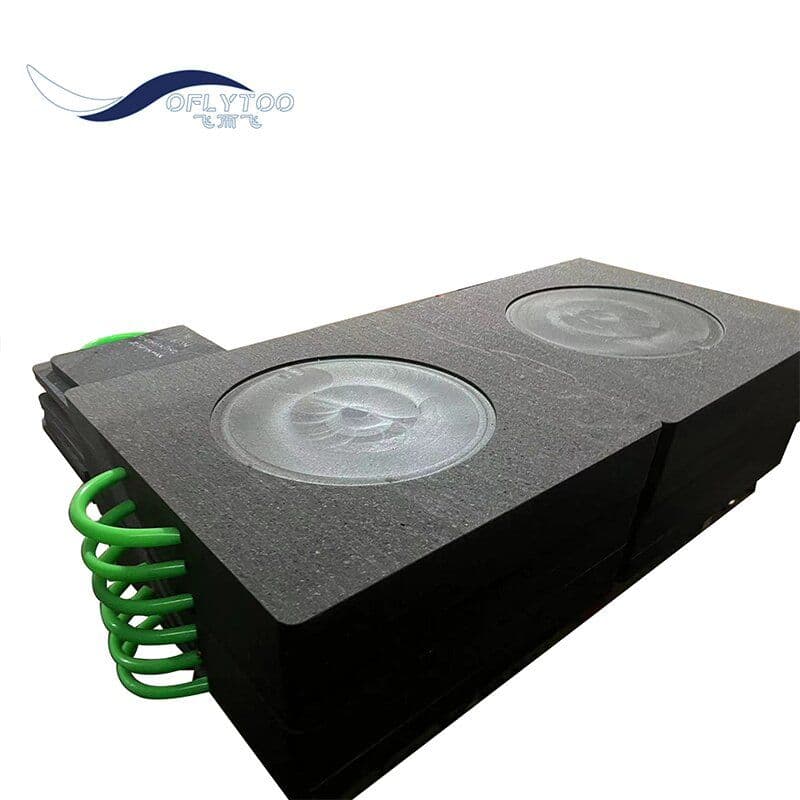
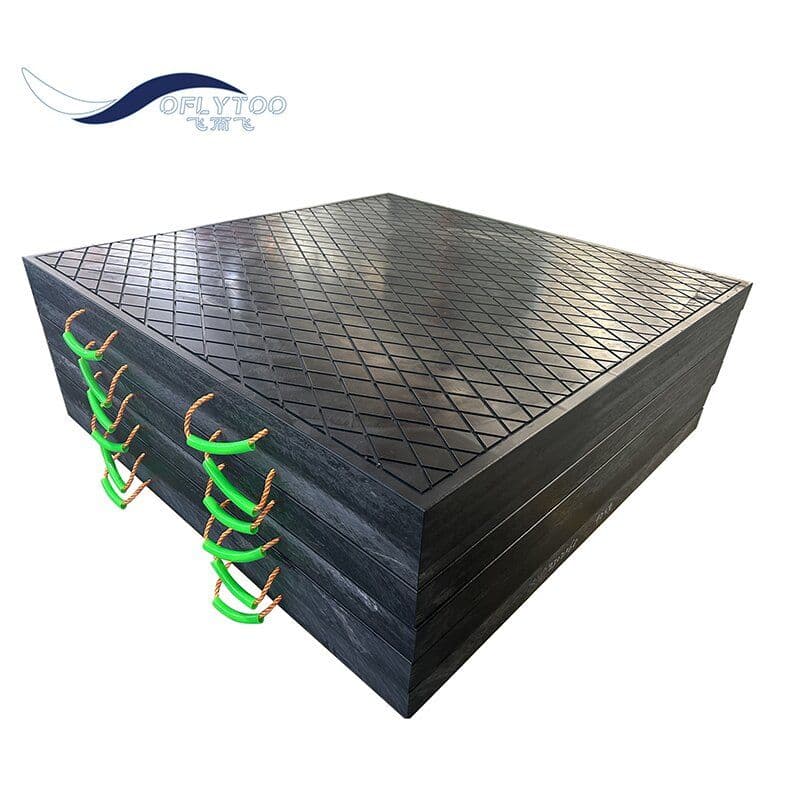
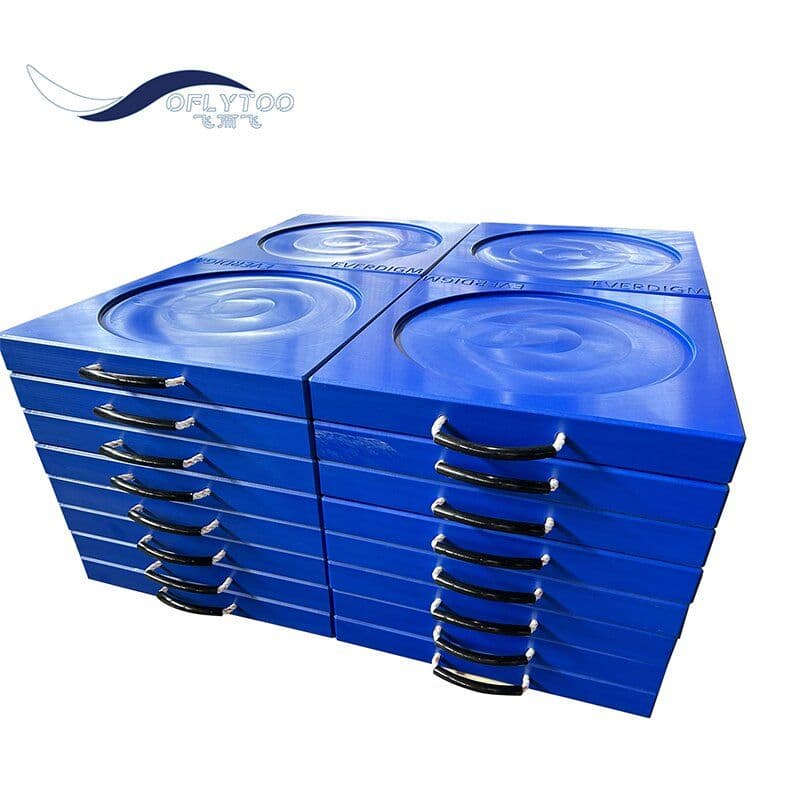
Engineered ground protection mats are built for defined handling and reuse. They reduce splinter and puncture risk, deploy faster in standardized sizes, and are easier to clean, stack, and transport between zones. Buyers are not paying only for plastic. They are paying for time saved during redeployment and for lower risk of surface damage claims.
The comparison should be made on total field cost, not sheet price alone. Include purchase or rental cycles, labor to place and recover panels, damaged turf or paving remediation, and schedule delay if a crossing fails mid-project. On many jobs, mats recover their premium after the second redeployment.
If your route is temporary, localized, and light-duty, plywood may remain viable. If the route carries repeat equipment traffic, must survive weather, or supports client-facing site access, ground protection mats are usually the more defensible choice. Start with traffic type and project length, then compare formats on that basis rather than on material habit.