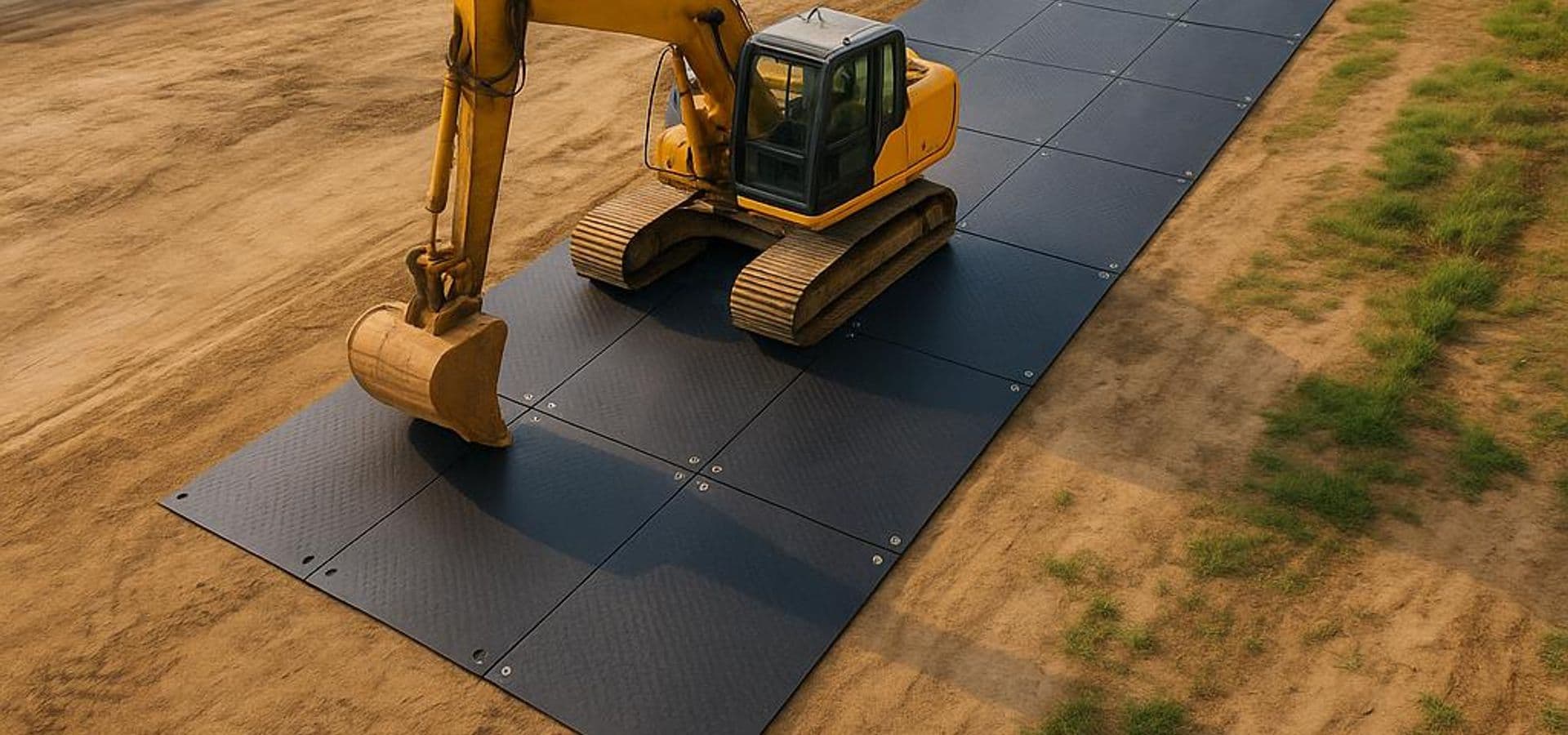
Construction sites often face unstable ground conditions such as mud, sand, gravel, or uneven terrain. These conditions make it difficult for heavy equipment to move safely and efficiently. Ground mats are widely used as a practical solution to improve site accessibility.
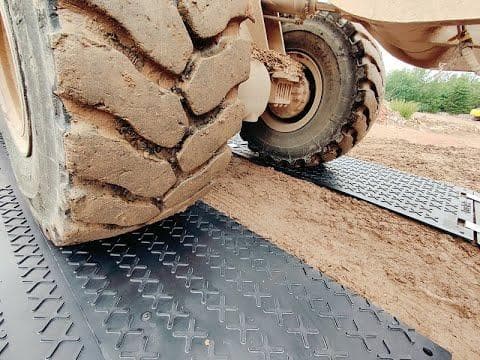
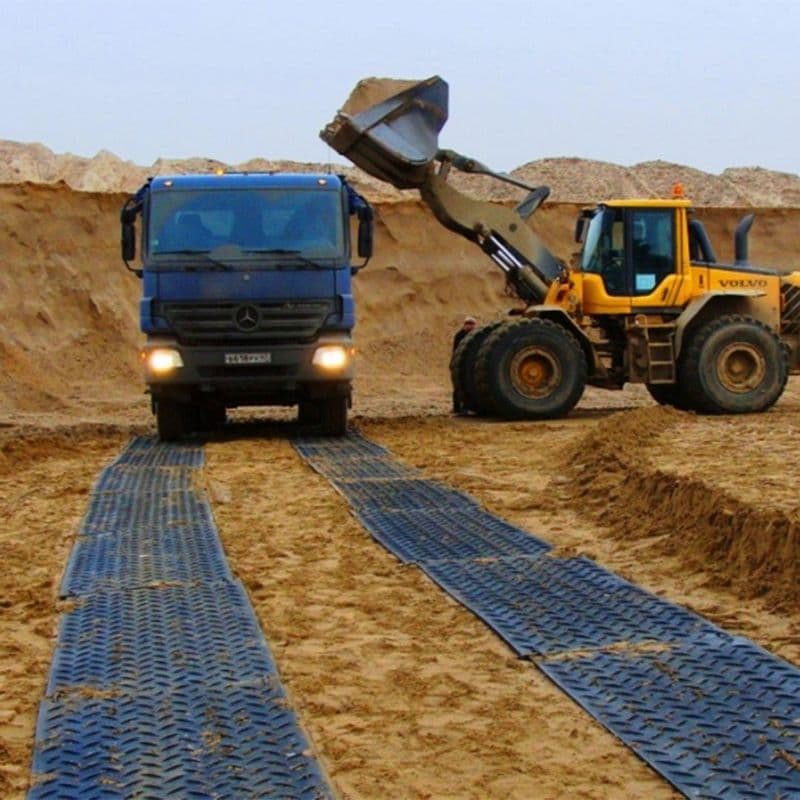
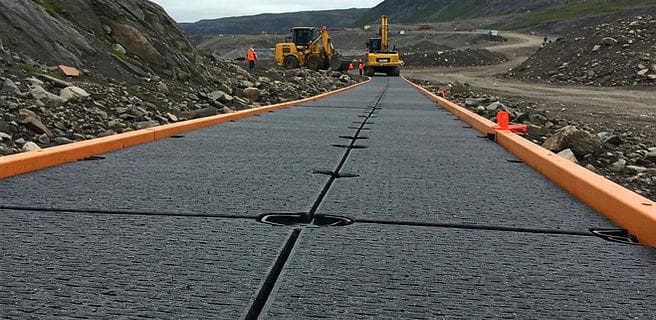
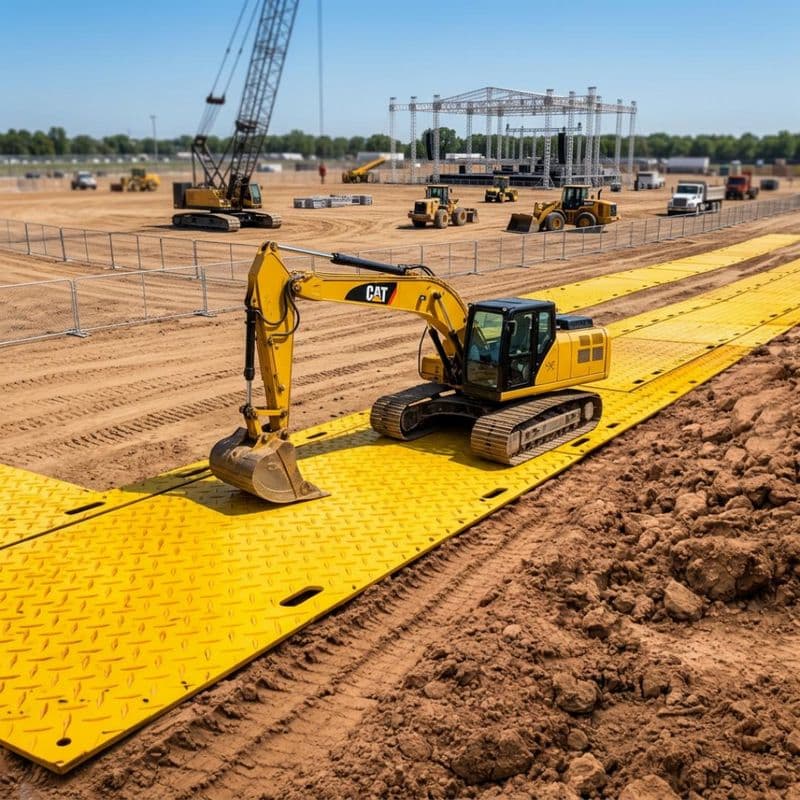
Ground mats are designed to distribute the weight of heavy machinery over a larger surface area. This reduces ground pressure and prevents equipment from sinking into soft soil. As a result, contractors can build temporary access roads that allow continuous movement of vehicles and machinery.
In addition to improving mobility, ground mats help protect the underlying ground surface. Many projects are located in environmentally sensitive areas where soil and vegetation must be preserved. Ground mats reduce surface damage and minimize restoration costs after project completion.
Modern ground mats made from UHMWPE or HDPE materials offer high durability, weather resistance, and long service life. Compared with traditional timber mats, plastic mats are lighter, easier to install, and more resistant to moisture and chemicals.
For construction companies, ground mats provide a reusable and cost-effective solution that improves safety, reduces downtime, and increases overall project efficiency.