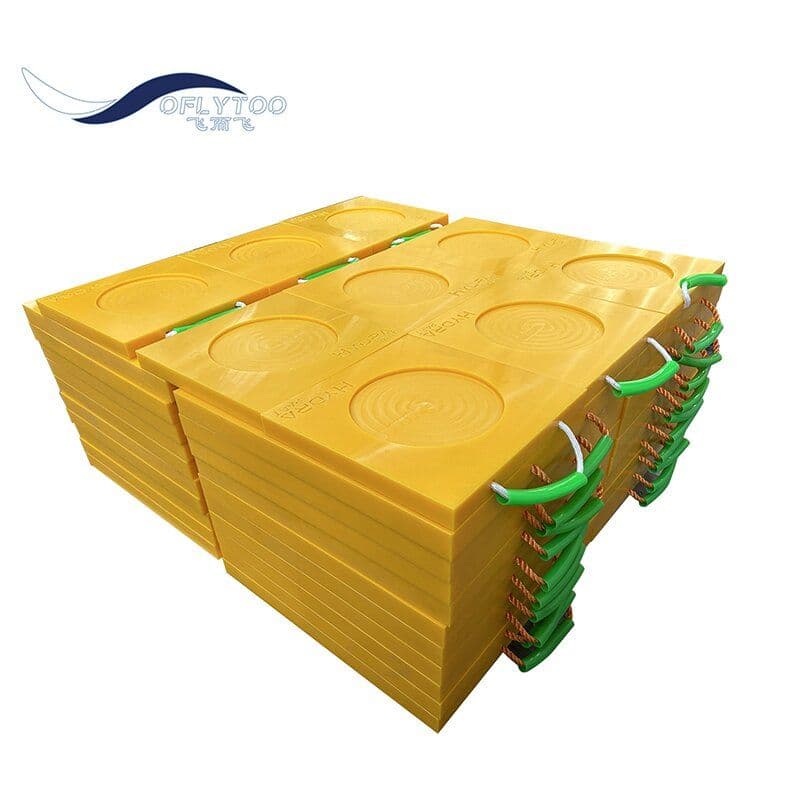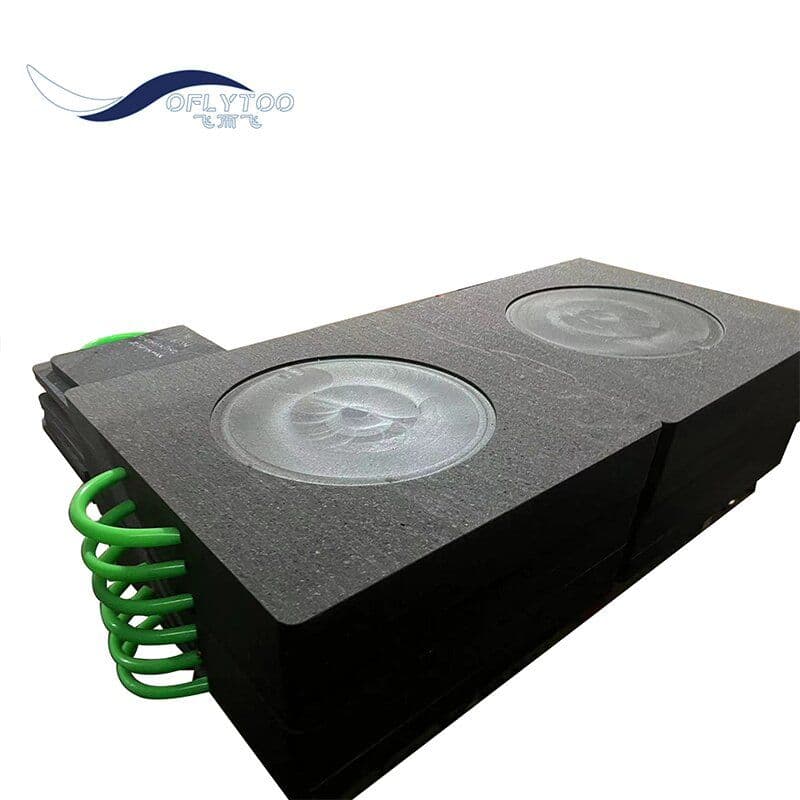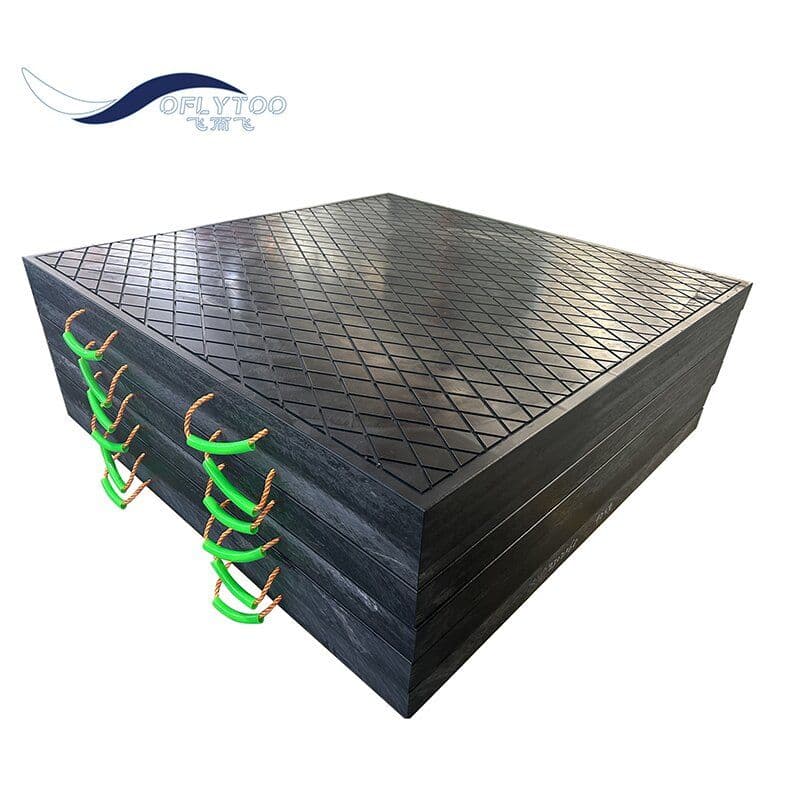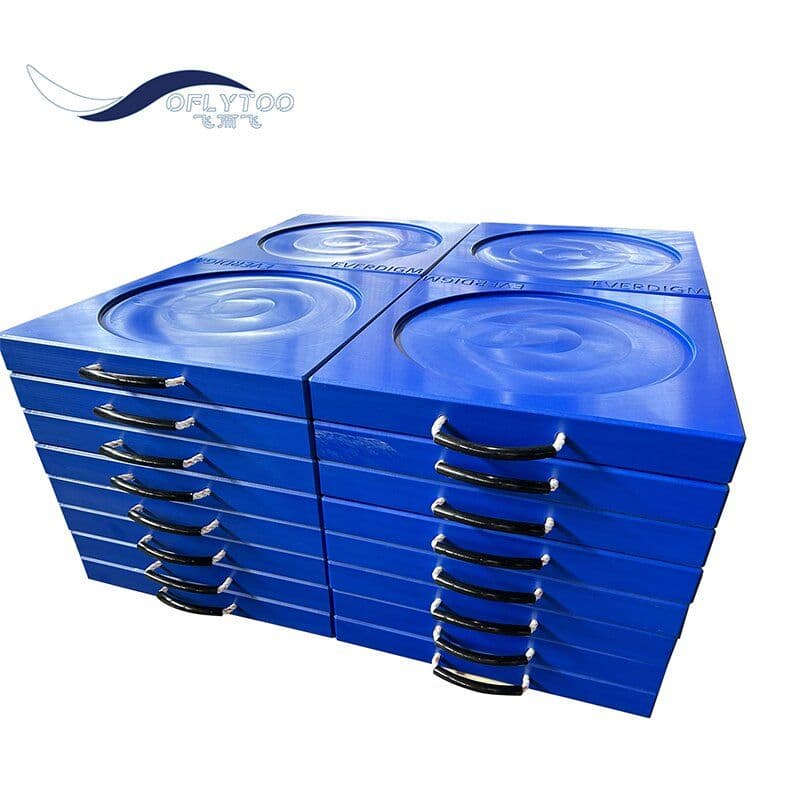
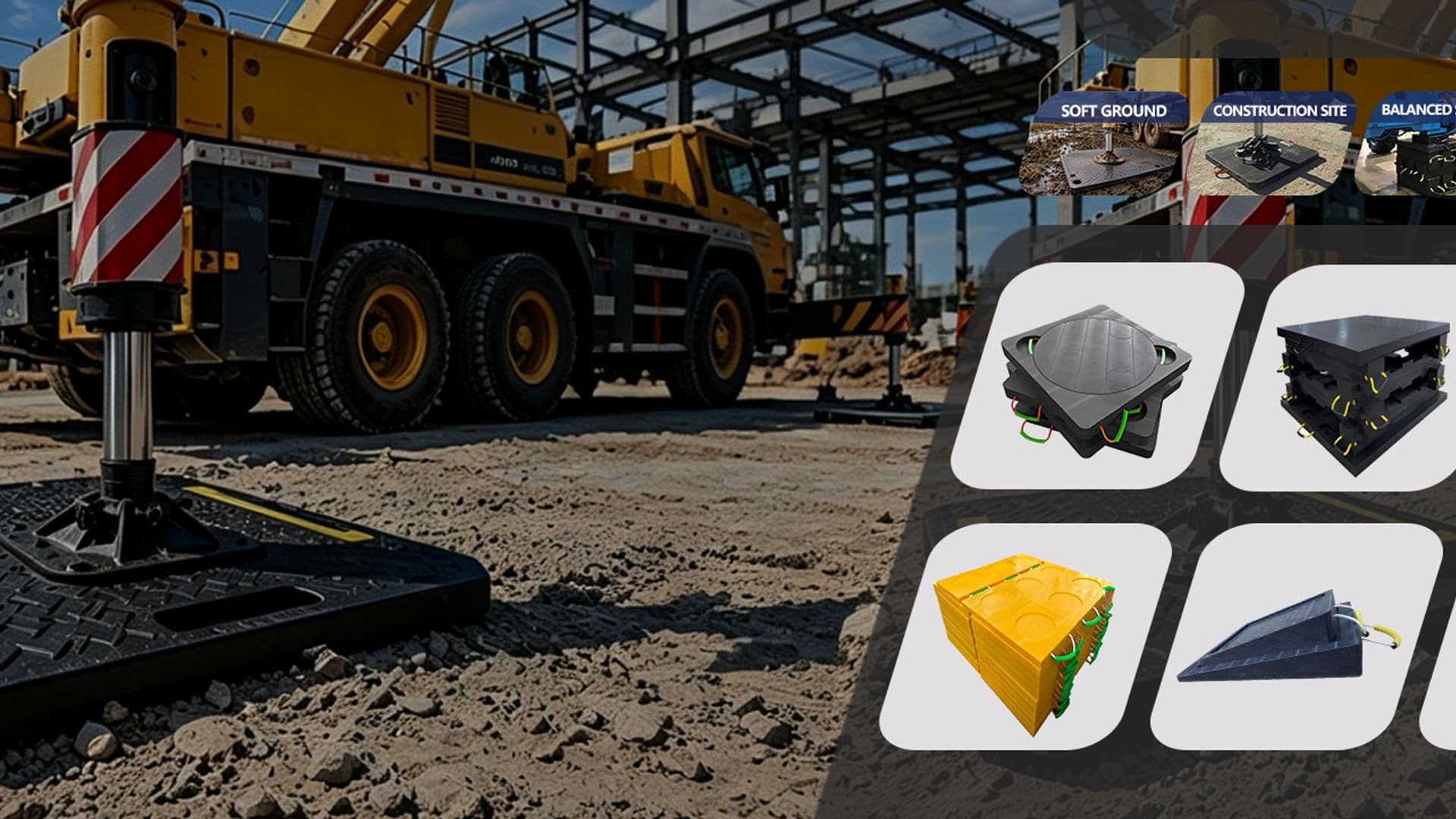
Buying construction access mats is easier when the route is defined before the bill of quantities. Many RFQs fail because they ask for "temporary road mats" without stating traffic type, lane length, turning zones, unloading areas, or whether the project needs localized ground protection in addition to a main lane.
Begin with a simple route sketch. Mark entry point, main travel lane, crane or equipment waiting zones, turning radii, and any finished surface that cannot be damaged. This sketch tells you whether the project is primarily a roadway system, a protection problem, or a hybrid. Hybrid projects are common and should be quoted in two layers instead of forcing one product family to do everything.
For heavy equipment access, confirm the highest recurring axle or track load, not only the single heaviest machine on site. Frequency matters. A mat format that survives occasional crossing may still rut when used as a daily haul lane in wet weather. Ask the supplier to separate recommendations for main lane, node reinforcement, and edge protection.
Material and connection format should be reviewed together. Larger mats can reduce joint movement but may be harder to redeploy manually. Smaller linked formats can adapt to curves and uneven grades but require more assembly time. There is no universal winner; there is only the best fit for your crew size, ground condition, and schedule.
Export buyers should finalize packing density, pallet or bare loading preference, marking rules, and documentation needs before production release. Access mat projects often fail logistically, not technically, because the first shipment fits the container plan and the repeat order does not. A buying guide should push the conversation toward repeatable supply, not a one-time lowest quote.